

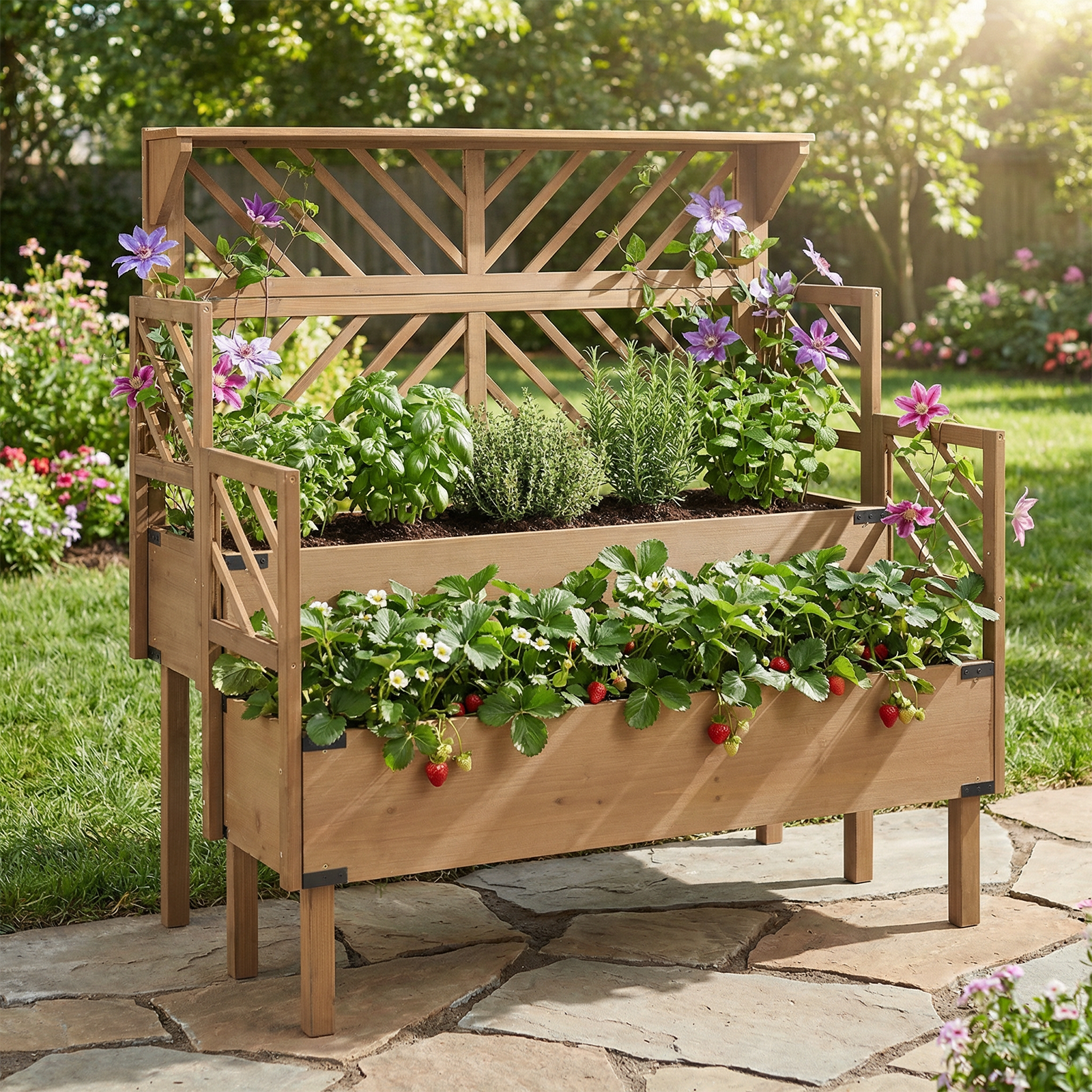


Raised Garden Bed - 2-Tier Vertical with Trellis


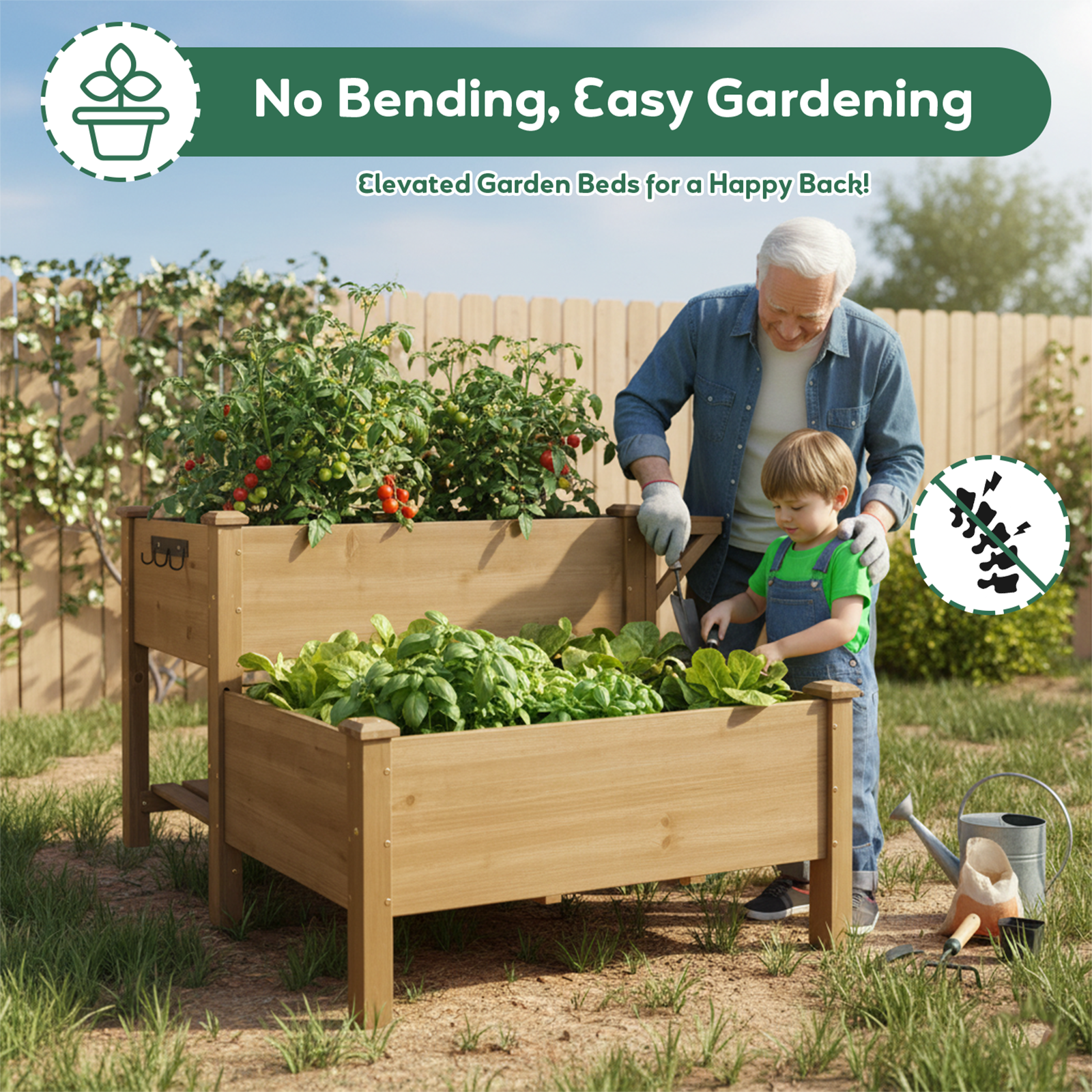

2-Tier Raised Garden Bed Outdoor Elevated Garden Box with Storage Shelf-GF25
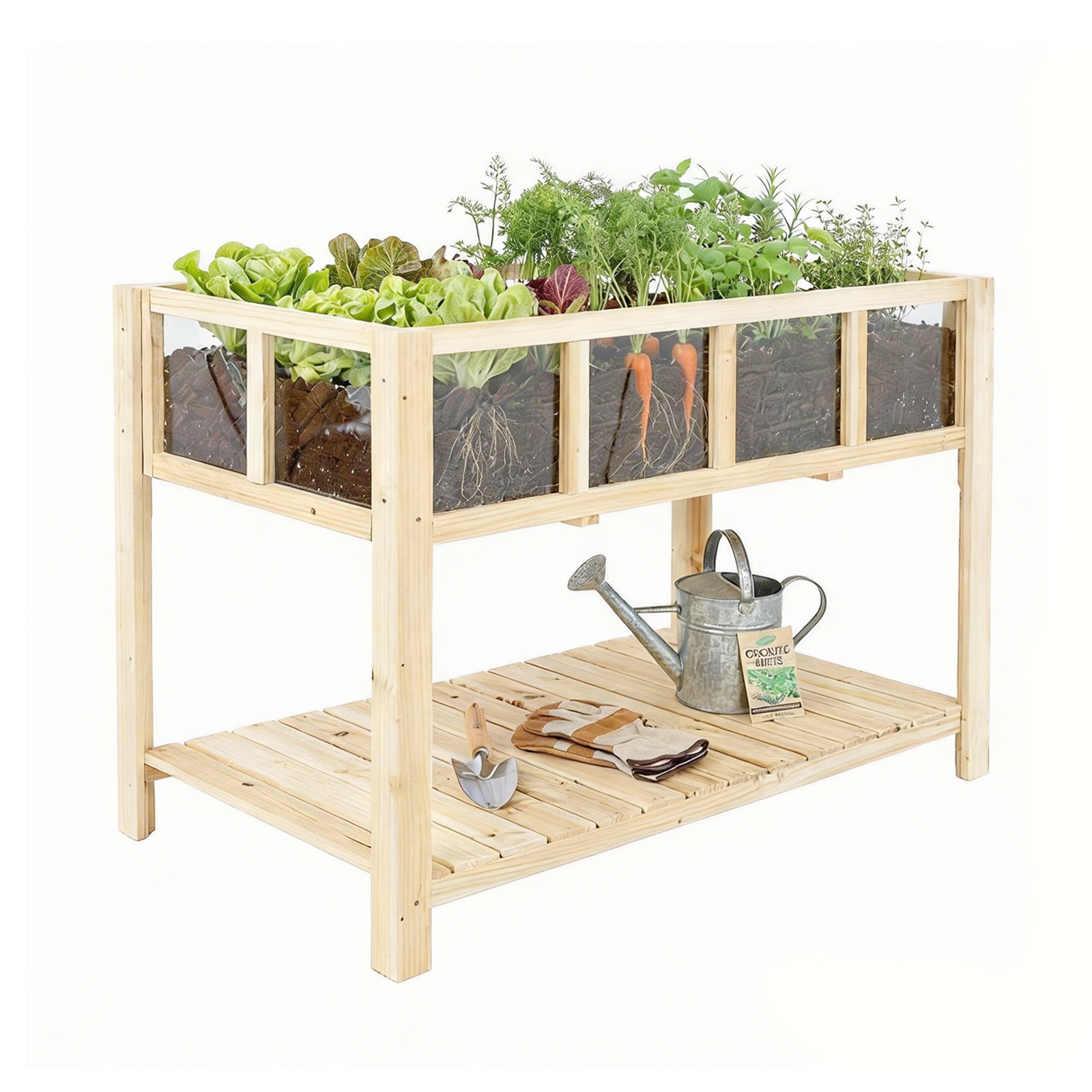

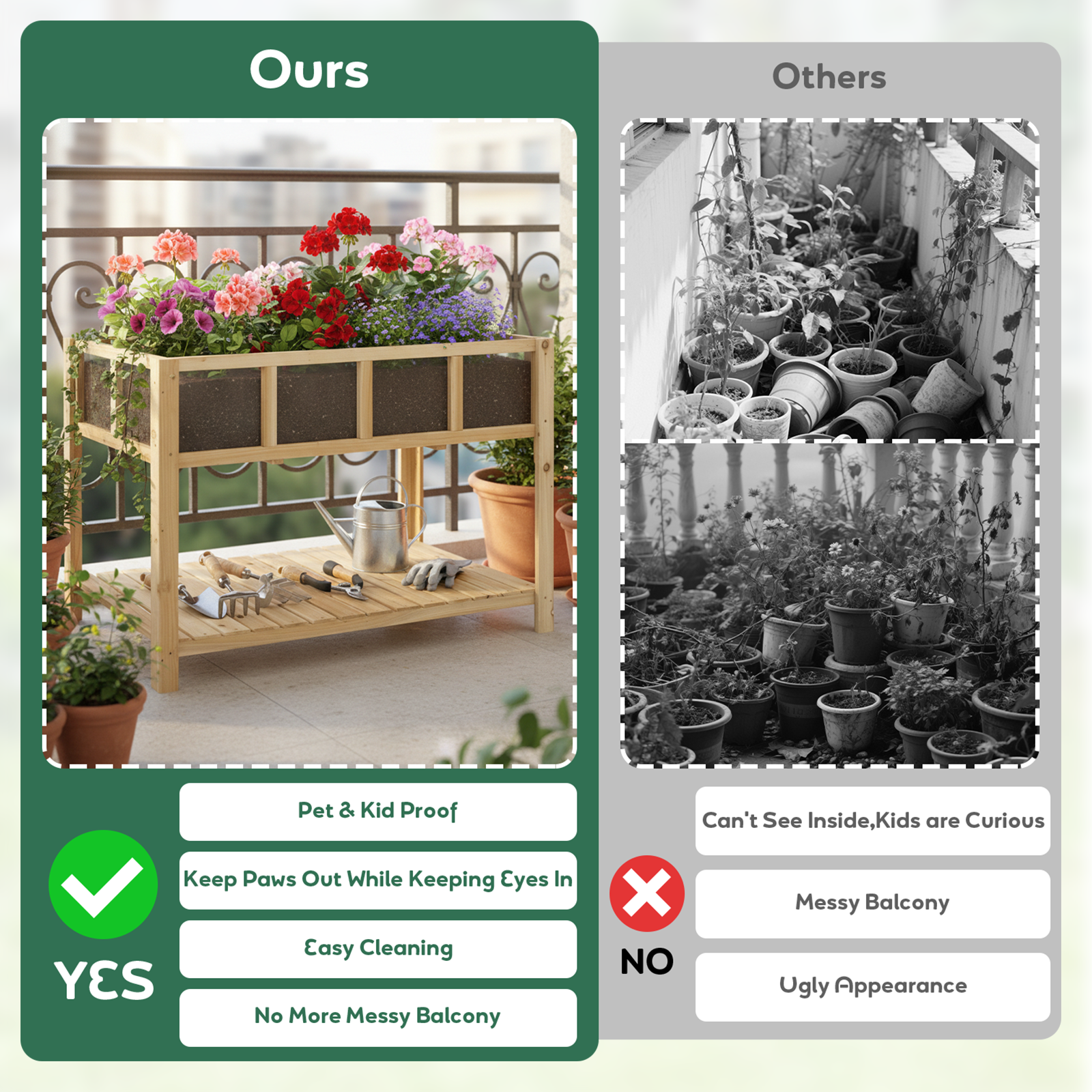
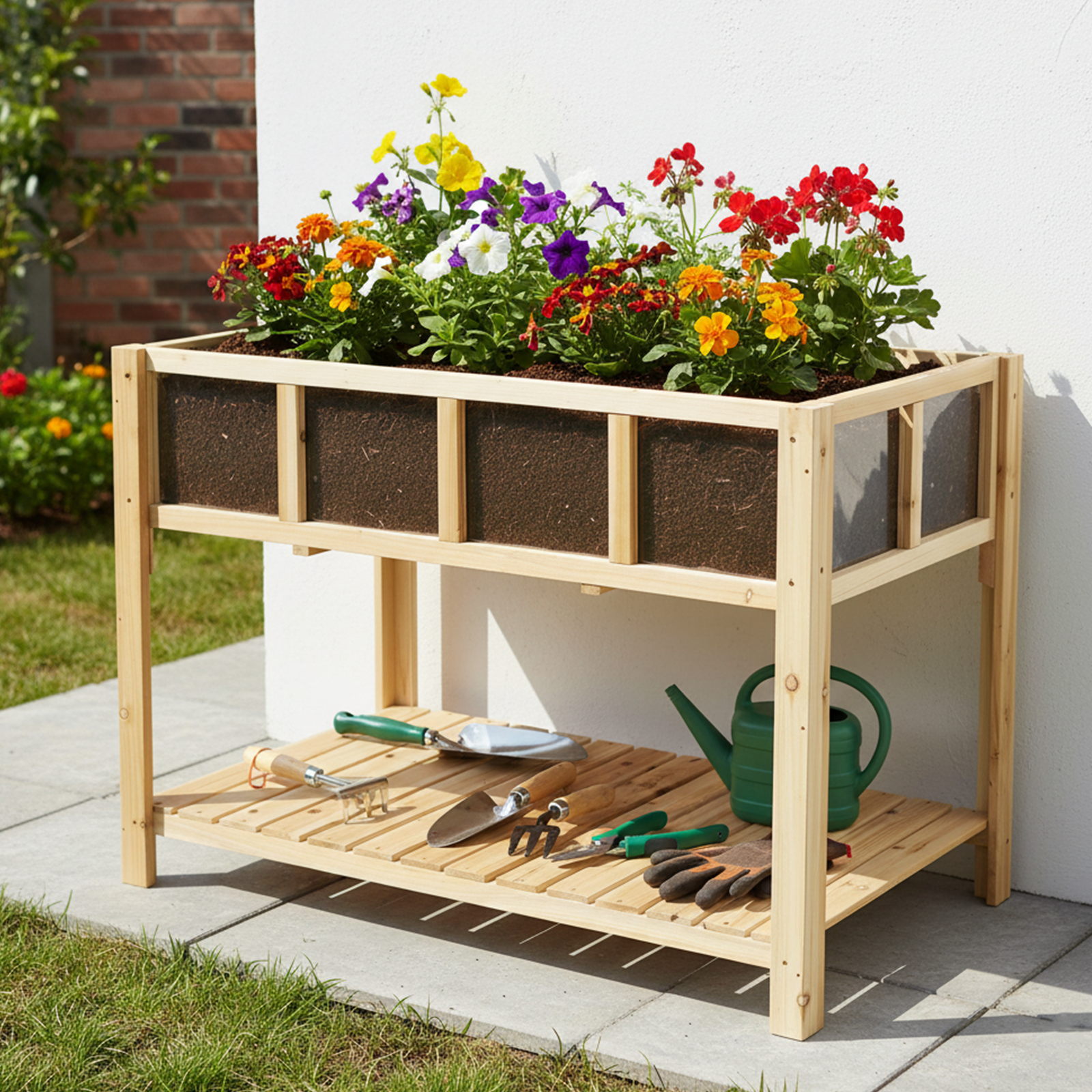
Transparent Raised Garden Bed with Storage Shelf-GF51

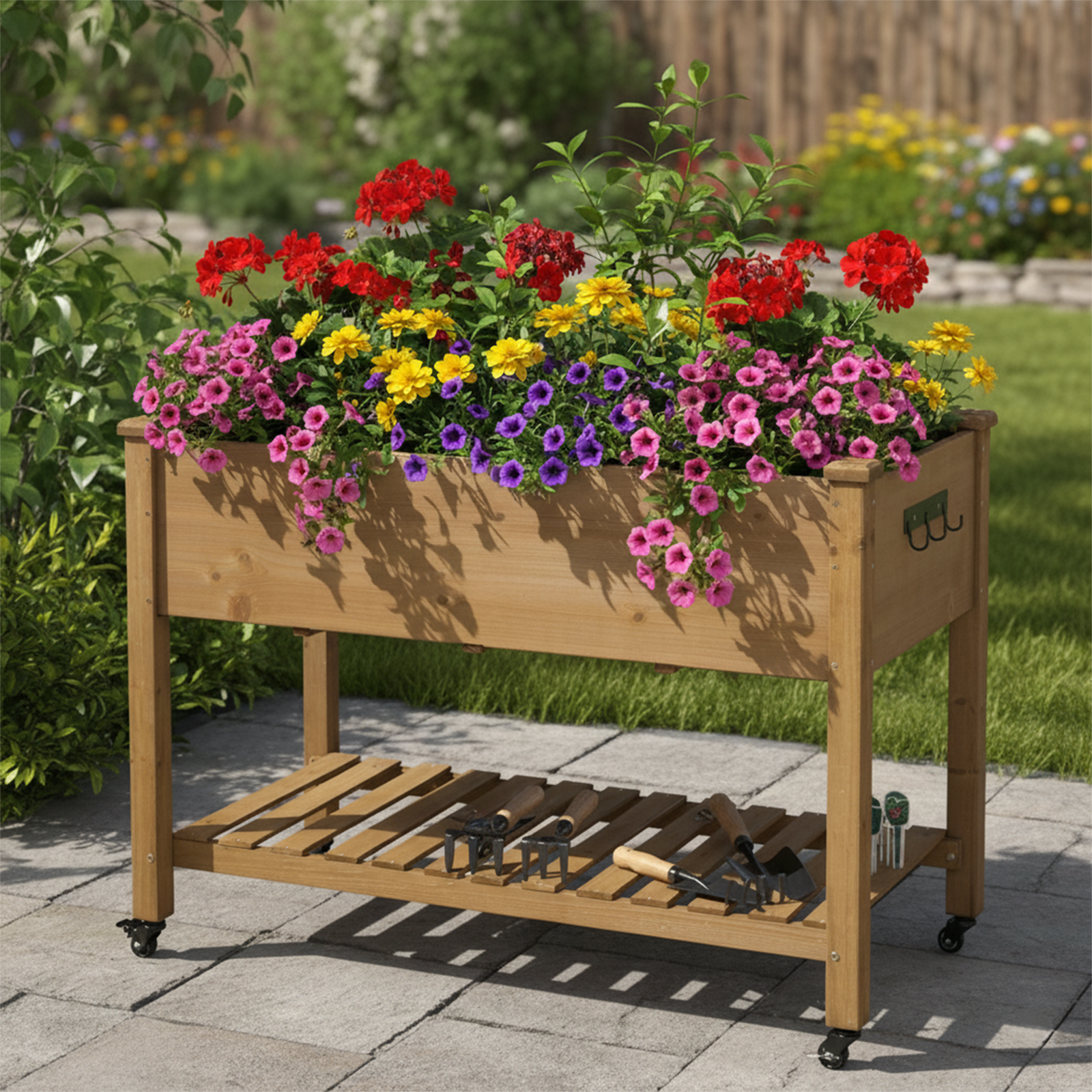
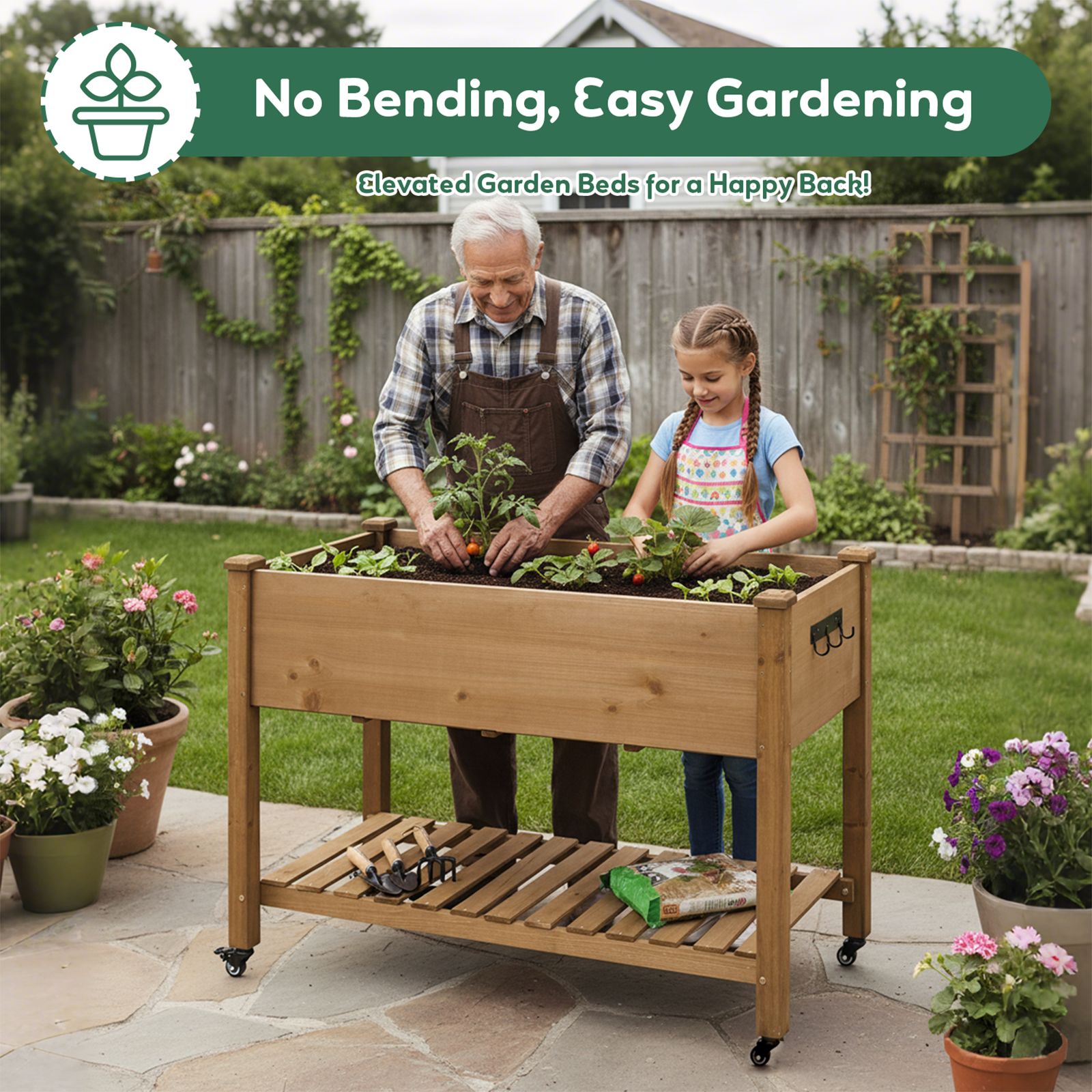

Wood Elevated Planter Box Outdoor w/ Wheels, Storage Shelf-GF22W
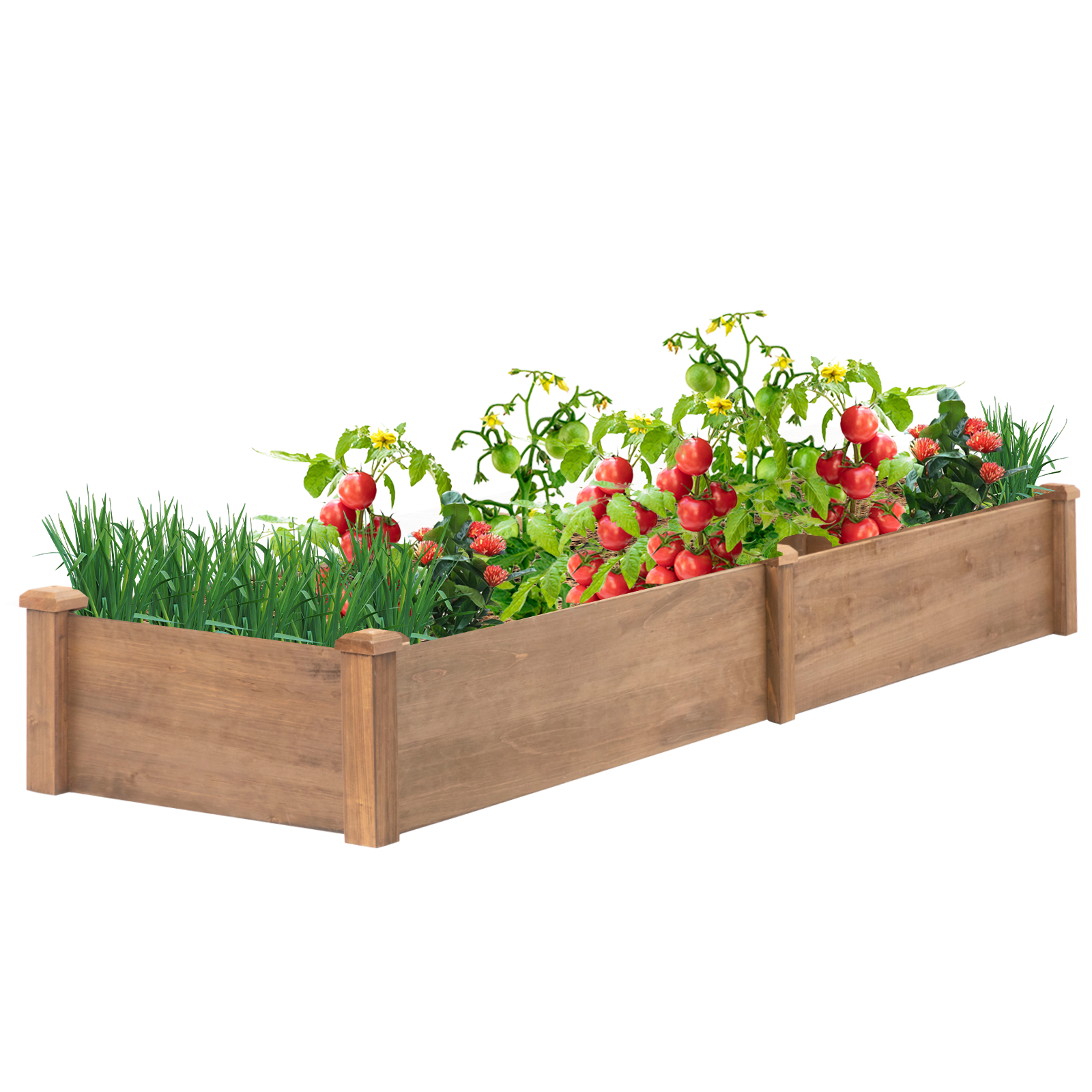


92.9″L Garden Bed Wooden Planter Box for Outdoor Gardening-GF20
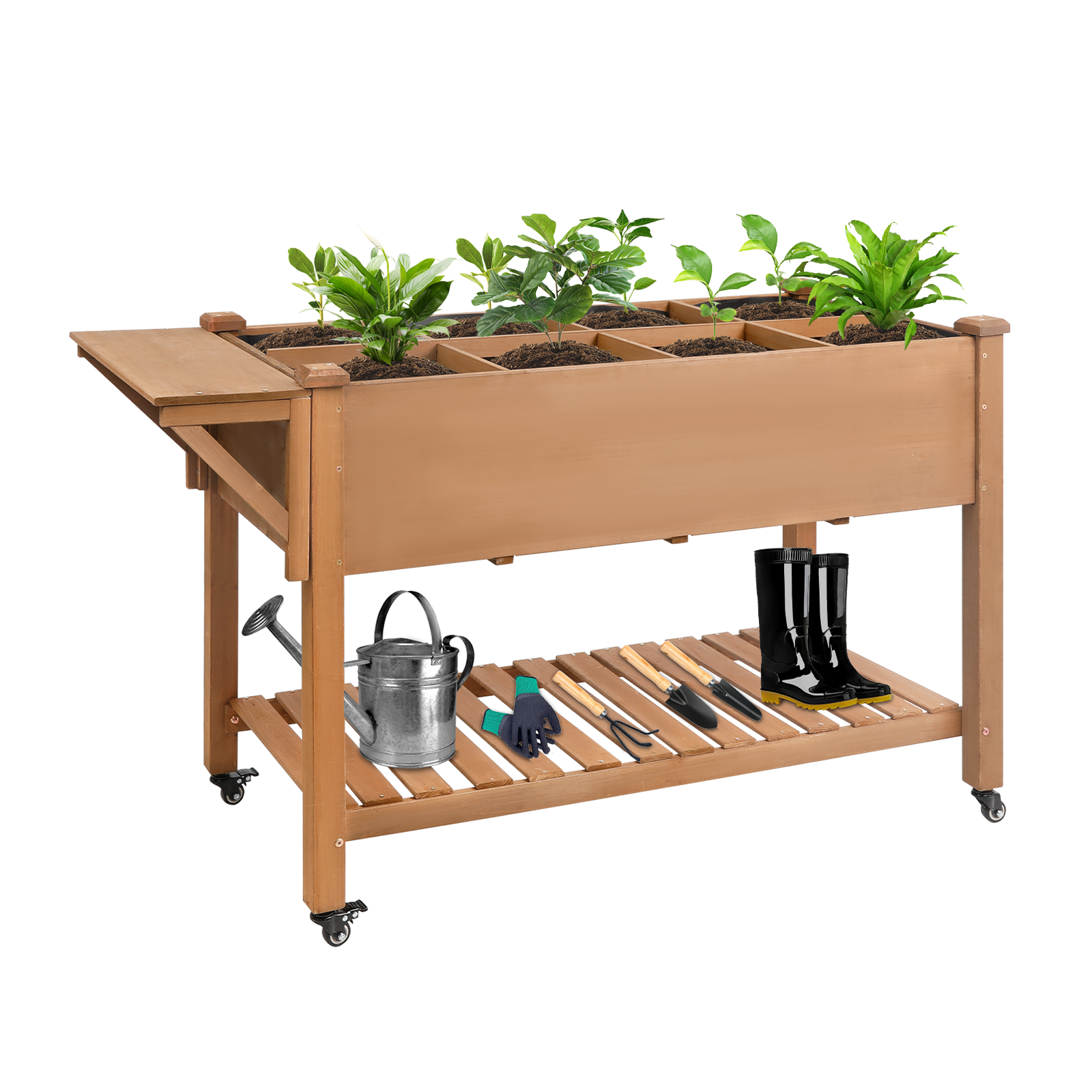
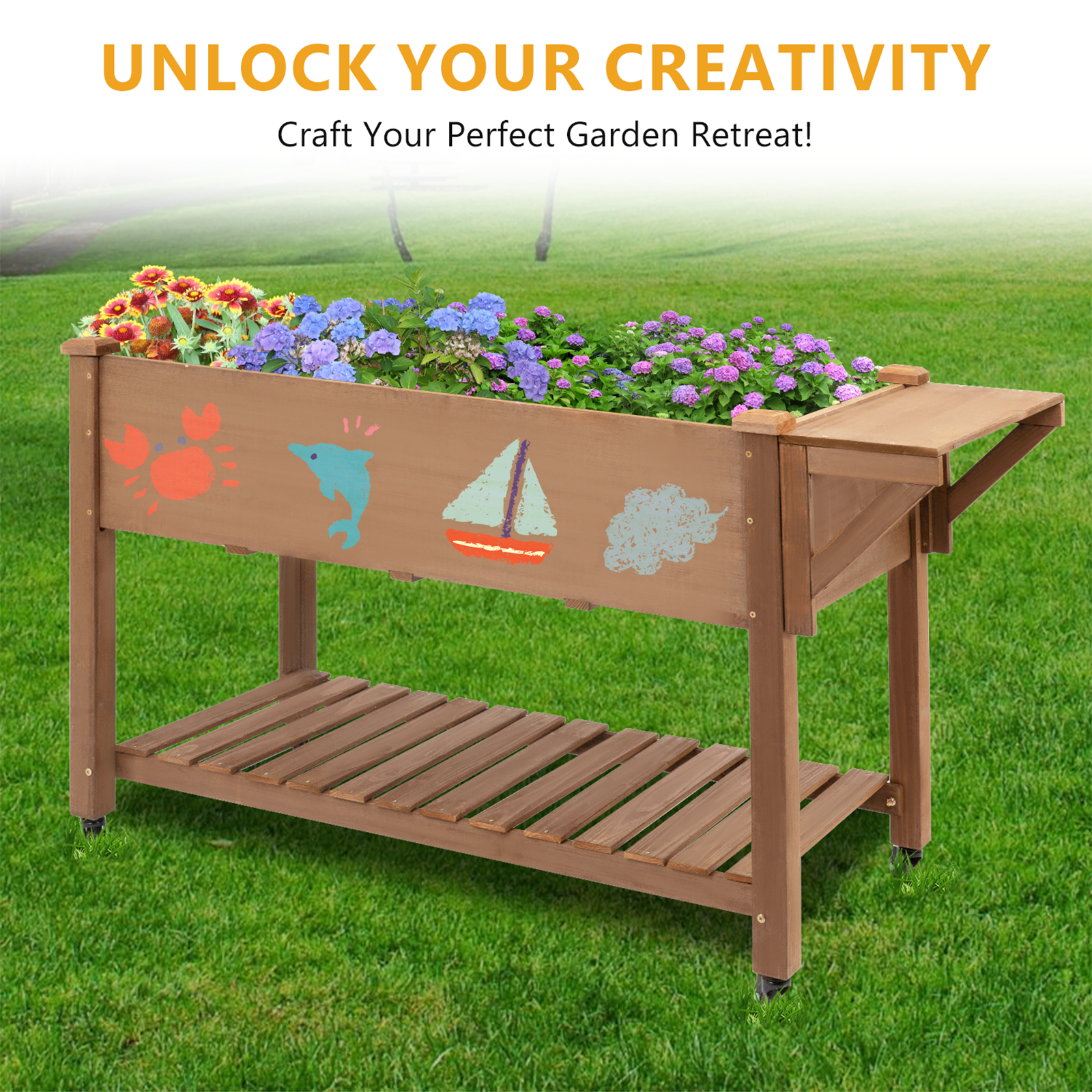


55.5x23x33in Mobile Elevated Wood Planter with Wheels, Shelf, Liner-GF23W


Large Raised Garden Bed Outdoor Wooden Planter Box with Storage Shelf-GF24


33.46″L Raised Garden Bed Wooden Elevated Planter Box with Storage Shelf-GF27
FAQs
Raised garden bed with legs vs. ground-level: what's the difference?
A raised garden bed with legs is elevated off the ground, making it compatible with patios, decks, and concrete while being easier on your back. Ground-level beds sit directly on native soil, allowing roots to extend deeper below the bed. Each suits a different space and gardening style.
What are the benefits of a raised garden bed with legs?
A raised garden bed with legs reduces back and knee strain by bringing plants to a comfortable standing height. It works on any surface including patios and decks, limits access from ground-level pests like slugs and snails, and many models include under-shelf storage for tools and supplies.
Are wooden raised garden beds safe for growing food?
Yes, with the right material. A wooden raised garden bed built from naturally rot-resistant wood such as cedar or redwood is safe for growing food. Avoid older pressure-treated lumber, which may contain harmful preservatives. Most raised garden beds for sale today use food-safe wood species.
What vegetables grow best in a wooden raised garden bed?
Most vegetables thrive in a wooden raised garden bed, especially:
- Tomatoes and peppers (need deeper soil)
- Lettuce, spinach, and kale (shallow roots)
- Carrots and radishes (prefer loose, well-drained soil)
- Herbs like basil, parsley, and chives
How deep should a raised garden bed be for vegetables vs. herbs?
Soil depth varies by what you're growing:
- Herbs: 6-8 inches
- Lettuce and greens: 8-10 inches
- Most vegetables: 12 inches
- Root vegetables (carrots, beets): 18+ inches
When browsing raised garden beds for sale, always check interior soil depth, not just overall product height.
Can a 2-tier raised garden bed grow different plants on each level?
Yes. Each tier of a 2-tier wooden raised garden bed has an independent soil compartment, so you can customize soil mixes and grow different plants in each. Good pairings include herbs with vegetables, or shallow-rooted greens alongside deeper-rooting crops.
Can a wheeled elevated planter box be moved indoors for winter?
Yes. Petscosset's wooden raised garden bed on lockable wheels makes winter relocation simple. Before moving, remove plants or reduce soil volume to lighten the load. Roll it into a garage or covered space to protect the wood and extend its lifespan through cold months.
How do I line a wooden raised garden bed to prevent soil leaking?
Most raised garden beds for sale have slatted wood construction that can let fine soil escape. Line the interior walls and base before filling:
- Use: landscape fabric or geotextile liner -- retains soil while allowing drainage
- Avoid: plastic sheeting -- blocks water flow and risks root rot
What is the weight capacity of a raised garden bed with legs?
Weight capacity varies by model. Check the individual product page for specs. When filling a raised garden bed with legs, use lightweight potting mix rather than dense garden soil to reduce structural load and ensure long-term stability.
Can a raised garden bed with trellis support cucumbers, beans, or tomatoes?
Yes. The built-in trellis on this raised garden bed with legs is well-suited for cucumbers, pole beans, and indeterminate tomatoes. Training vines upward:
- Improves airflow and reduces disease risk
- Maximizes vertical growing space
- Makes harvesting easier