
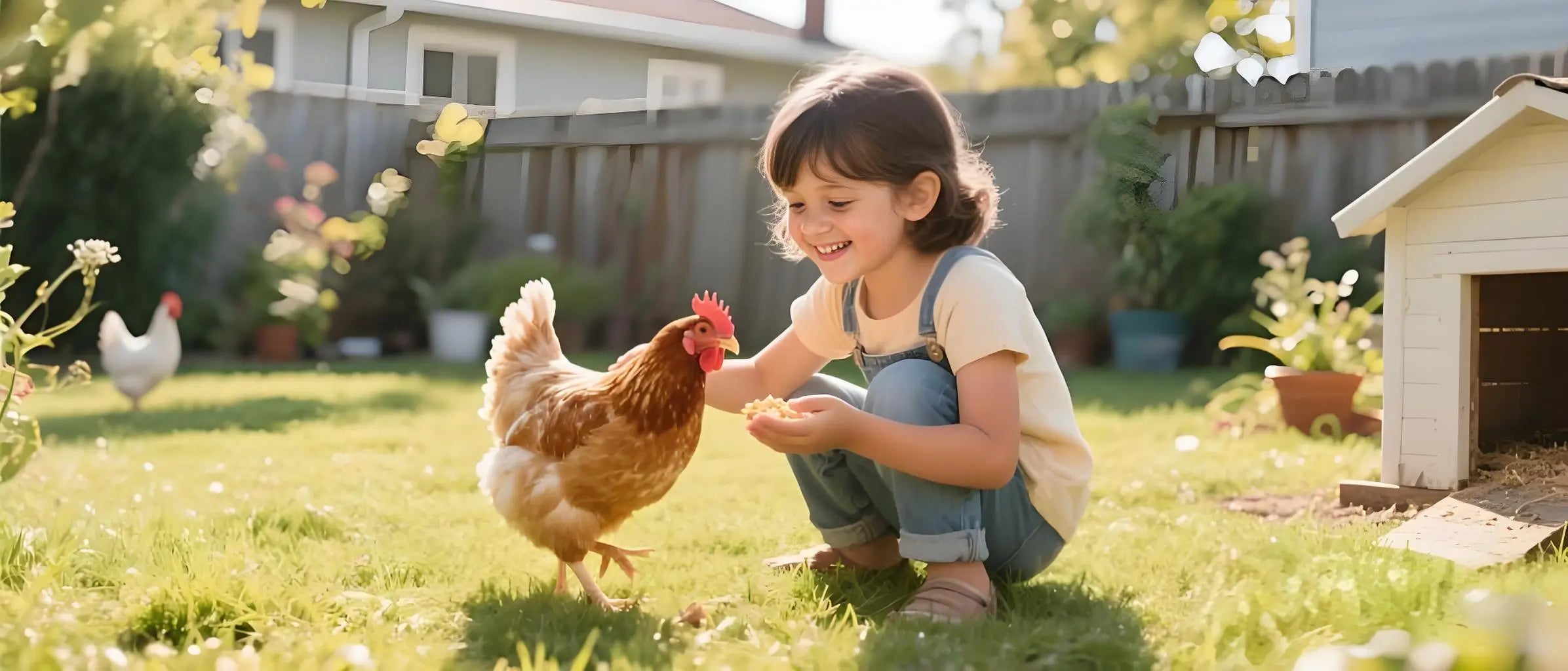
Raising a pet chicken is both rewarding and fun! 🐣 Whether you're a backyard beginner or a seasoned poultry parent, proper care is the key to keeping your feathered friend happy and healthy. In this guide, we'll walk you through everything you need to know about caring for pet chickens — from food to shelter and emotional well-being. 🌱
🏡 1. Provide Safe and Spacious Housing
Your chicken needs a cozy, predator-proof home with enough space to move around. Ideally, the coop should have:
-
Adequate ventilation 🌬️
-
Clean and dry flooring 🧼
-
Separate nesting and roosting areas 🪺
-
Protection from extreme weather ☀️❄️
Cleaning the coop regularly will prevent diseases and improve your chicken’s comfort.
🍽️ 2. Feed a Balanced Diet
Chickens need a diet rich in protein, calcium, and essential nutrients. Feed them:
-
Quality commercial poultry feed 🐓
-
Occasional fruits and veggies like carrots, apples, or leafy greens 🥕🍏🥬
-
Fresh water every day! 💧
Avoid feeding them chocolate, salty foods, or anything moldy — it can harm them.
🐤 3. Enrichment: Keep Them Active and Happy
Chickens are curious creatures!
Give them toys, perches, or areas to dust-bathe in. You can also:
-
Let them forage in a safe backyard area 🏞️
-
Introduce mirrors or hanging treats for fun 🪞🍇
-
Provide gentle interaction to build trust 🤝
💛 4. Monitor Their Health
Look out for signs of illness, such as:
-
Lethargy
-
Feather loss
-
Decreased egg-laying
-
Discharge from eyes or beak
If you spot any symptoms, consult a vet who specializes in poultry.
👨👩👧👦 5. Make Them Part of the Family
Chickens can be surprisingly affectionate and social. With gentle handling, they can bond with you — or even your kids! 🧒🐔💕 Give them names and include them in your daily routine. A happy chicken is a healthy chicken!
🛒 Ready to Create a Cozy Home for Your Chickens?
Browse our collection of premium Chicken Coops & Pet Hutch Essentials designed for comfort, durability, and style. Your chickens deserve the best!
Share:
Top 10 Rabbit Hutch Cleaning Tips for a Healthier Bunny
Top 5 Signs Your Dog Needs a Bigger Space to Relax