
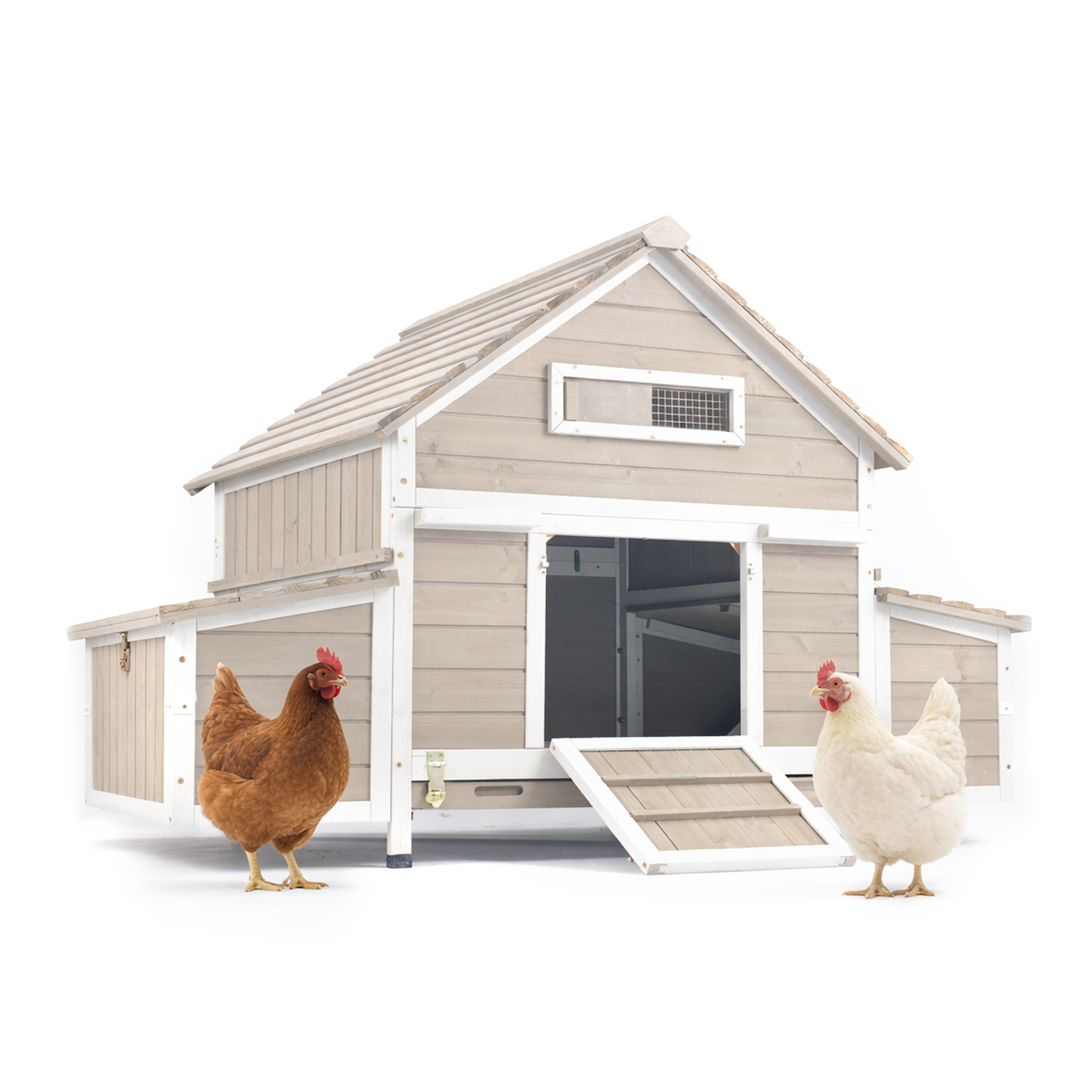
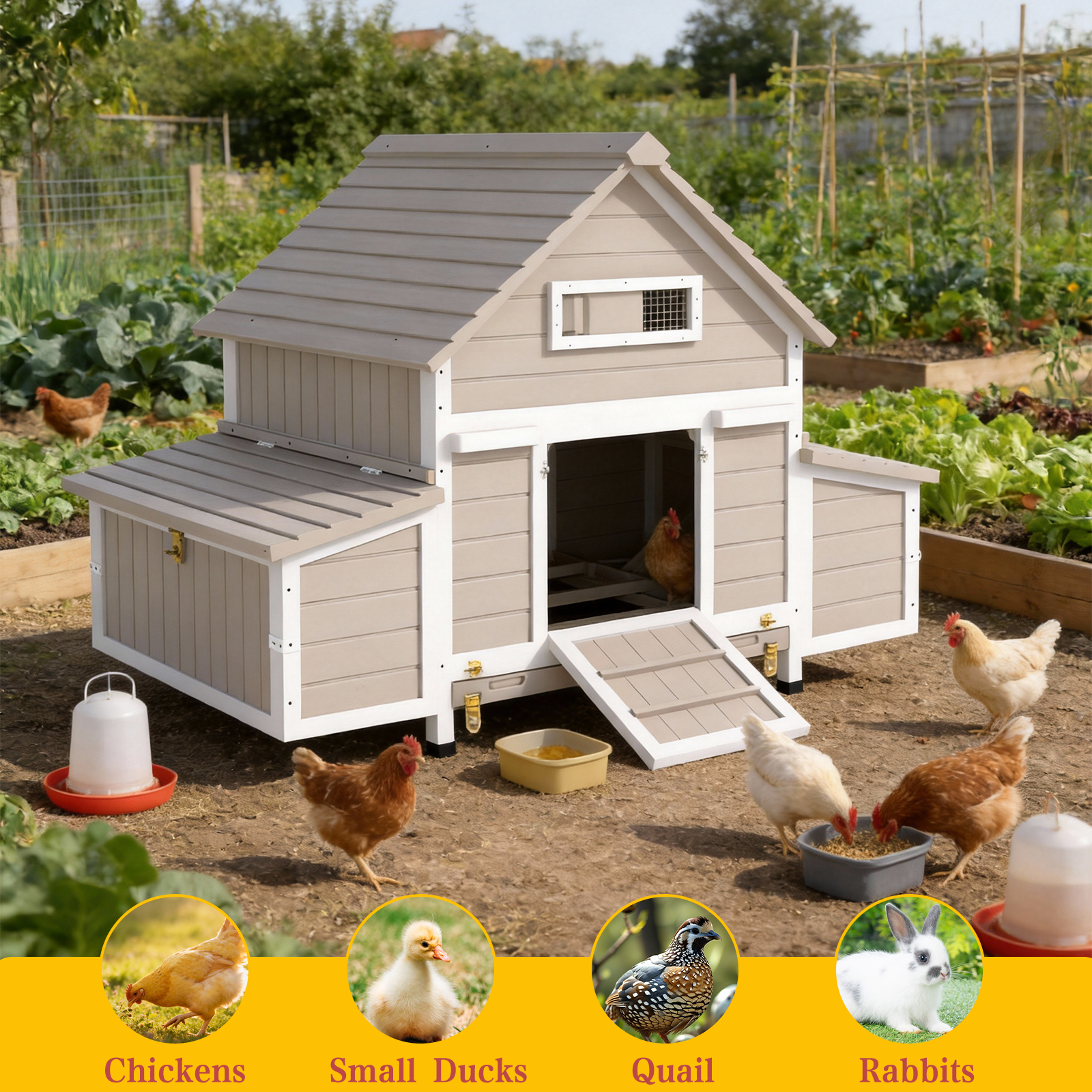
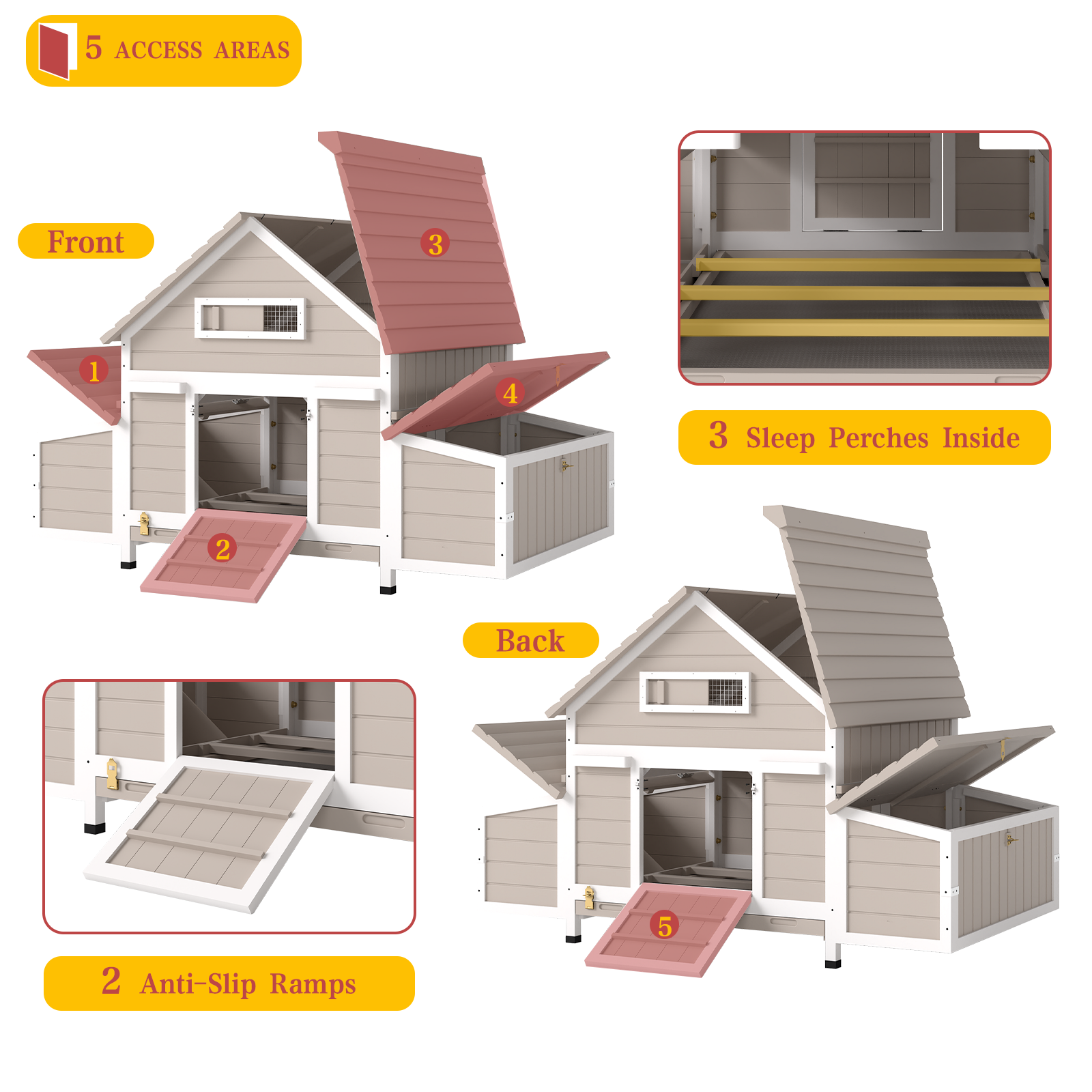
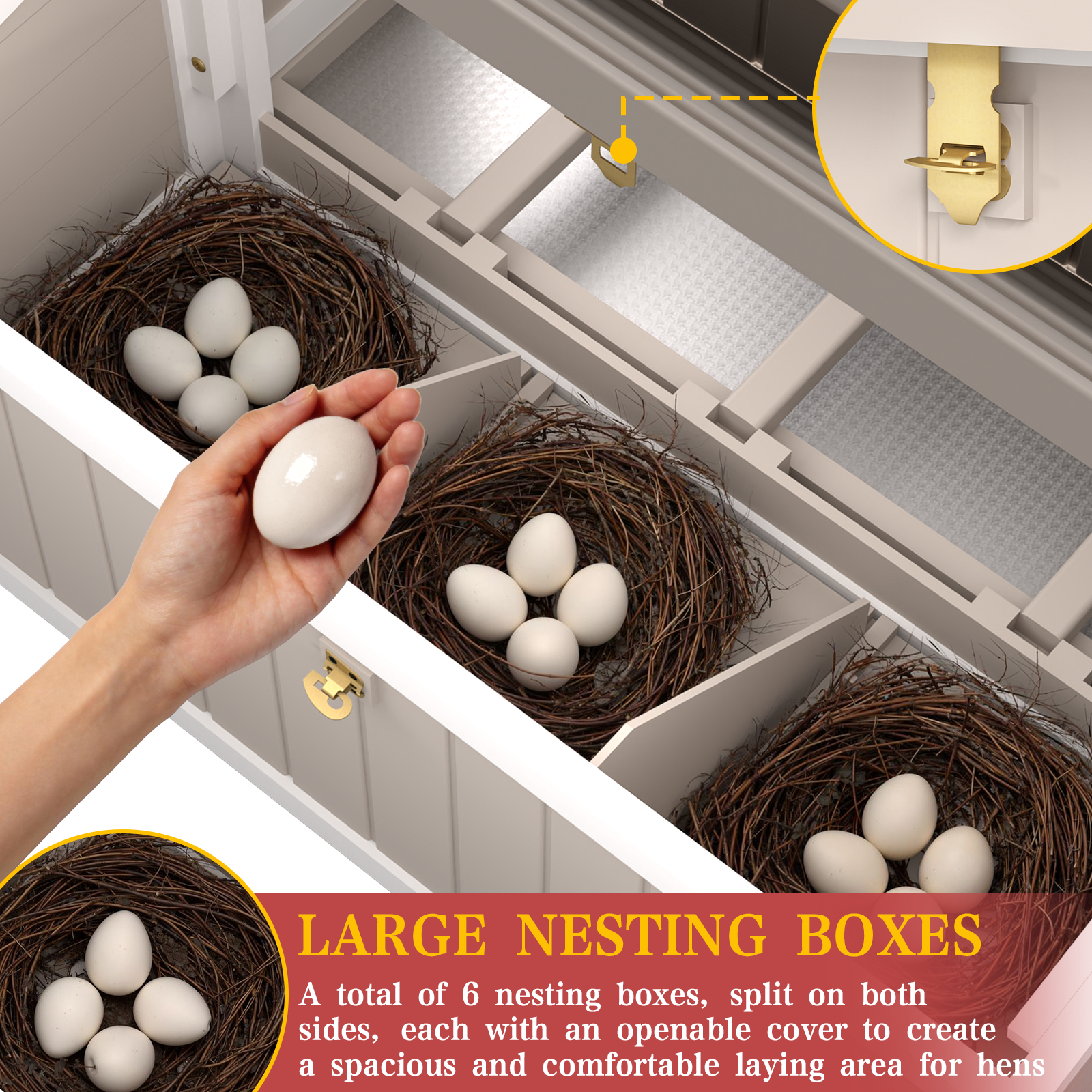
Large Expandable Chicken Coop with 6 Nesting Boxes & Run Ready-PET86
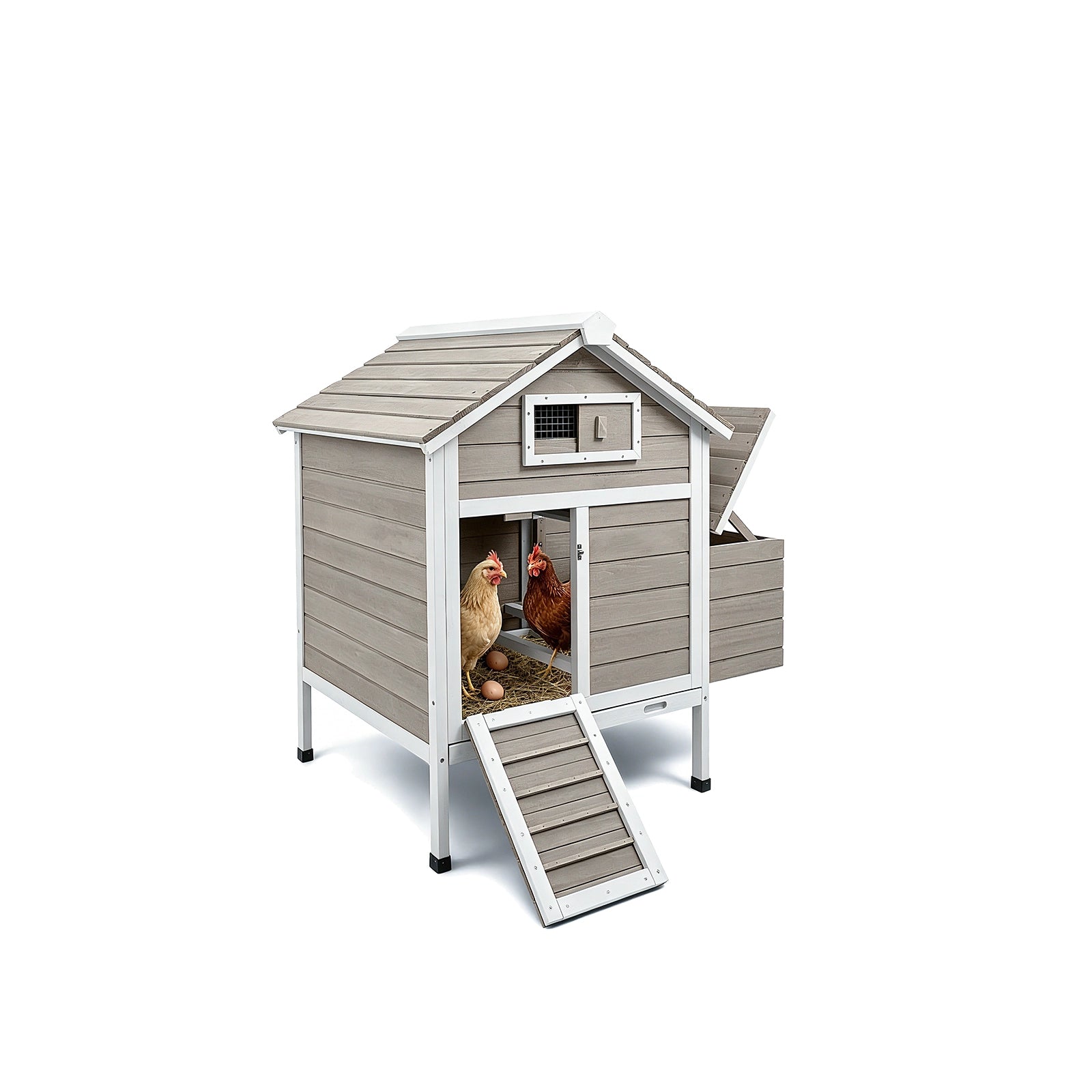

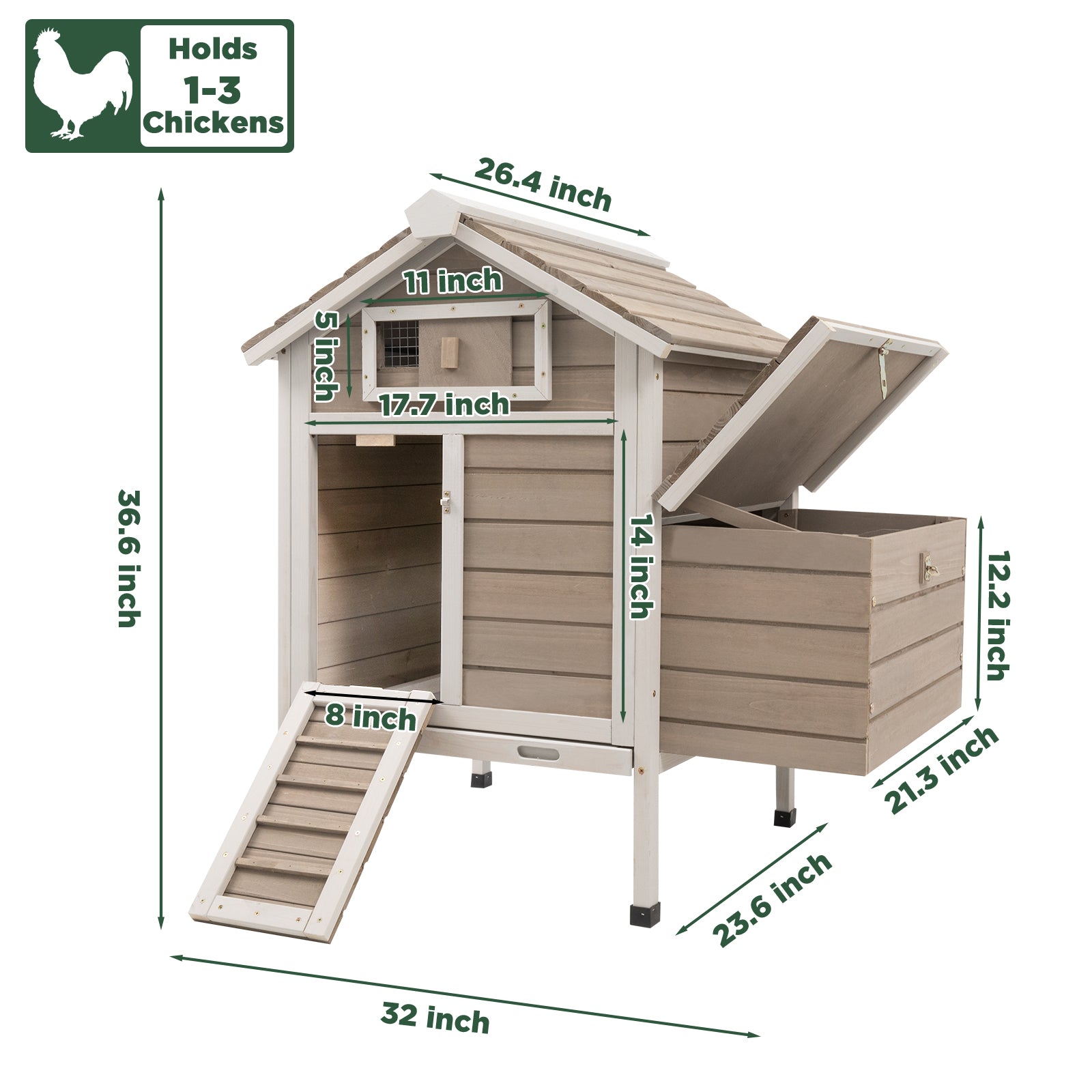
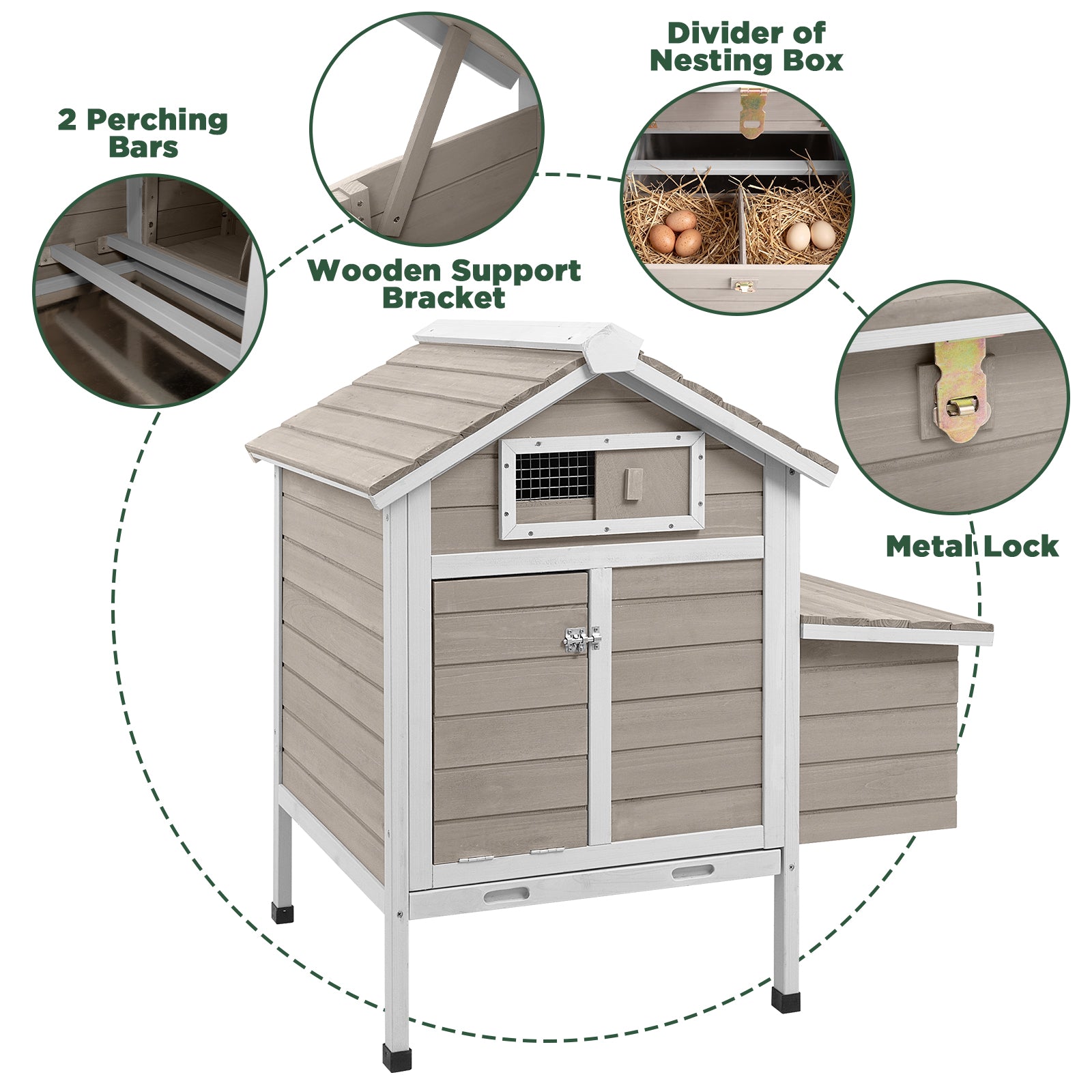
Small Chicken Coop for 1-3 Chickens with Nesting Box - PET25
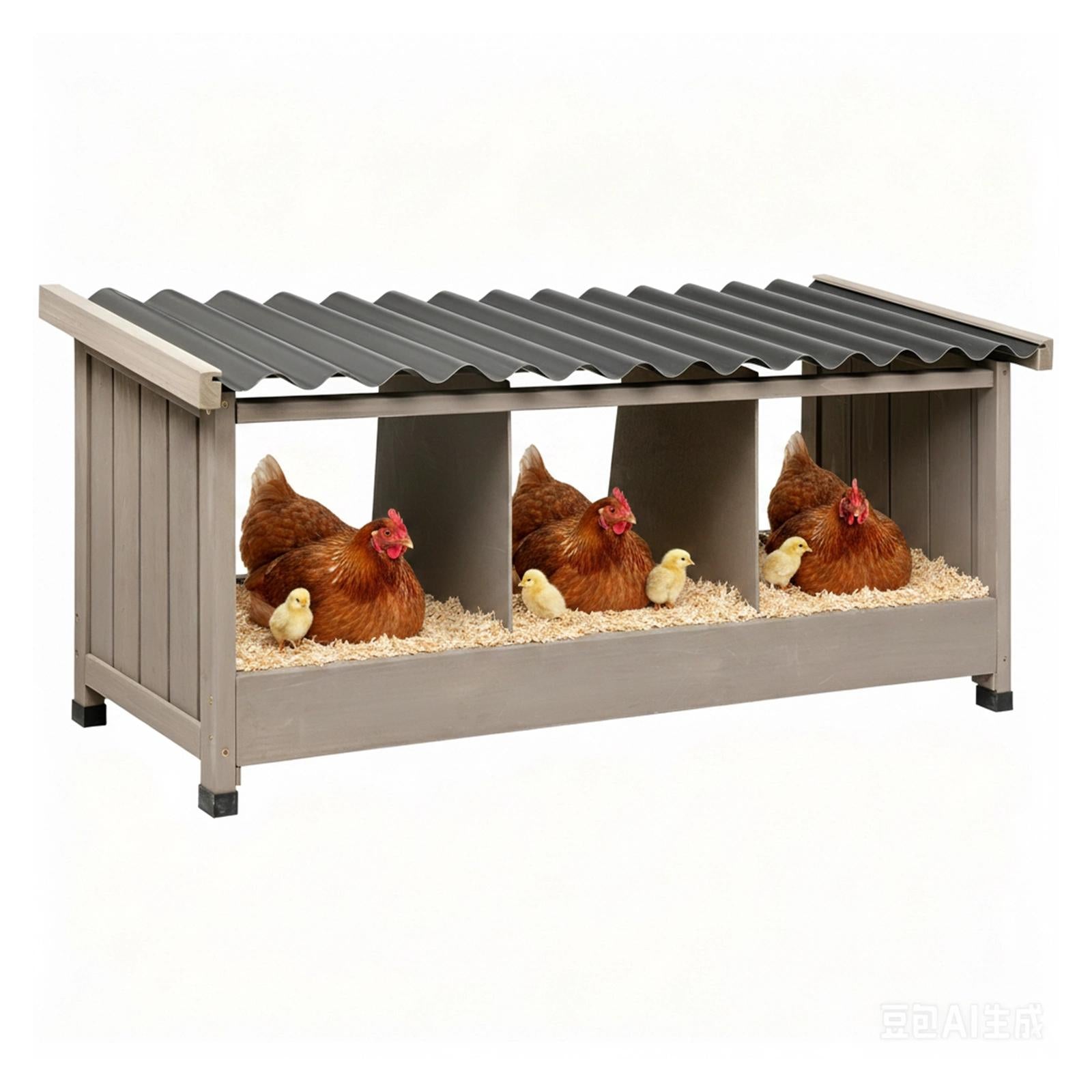
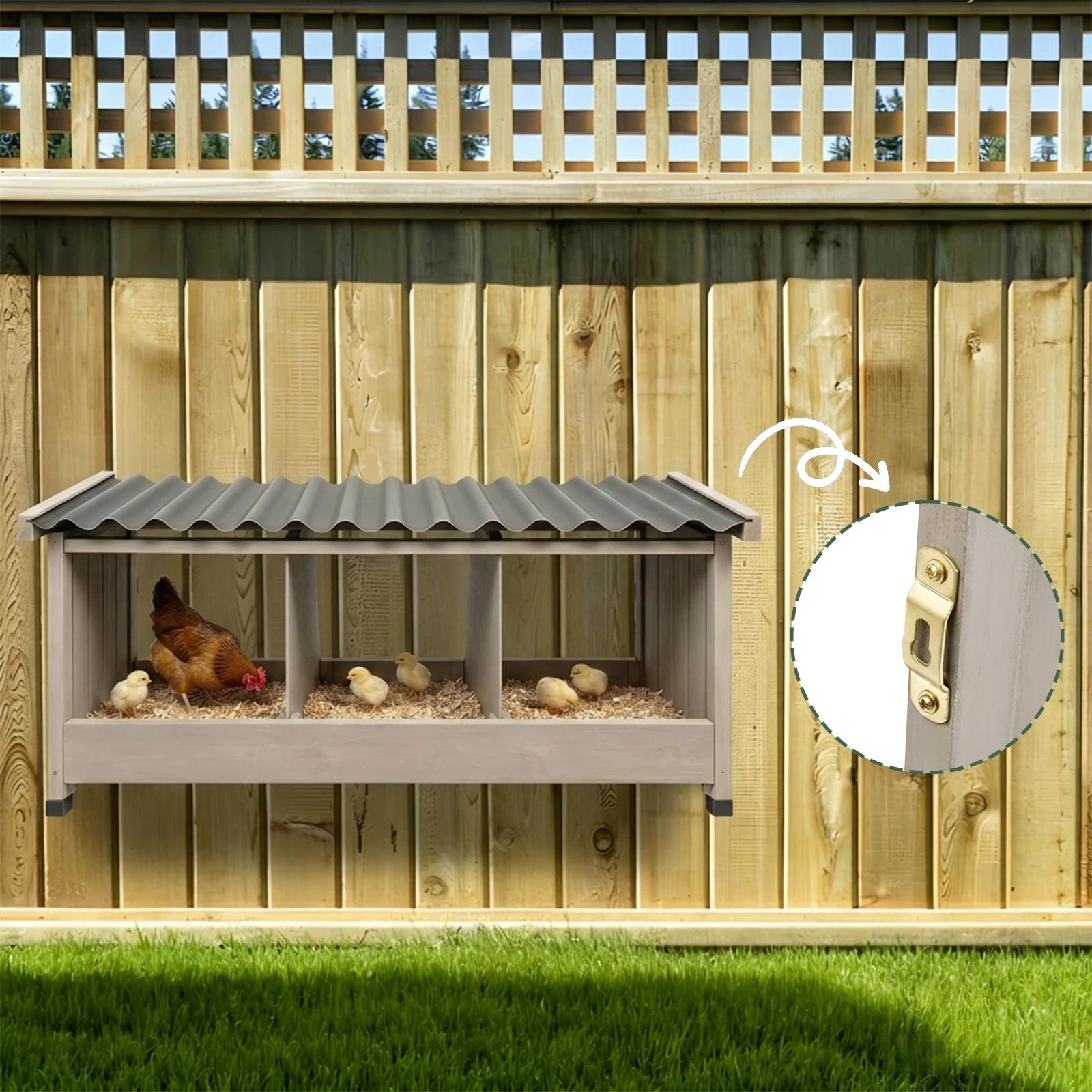
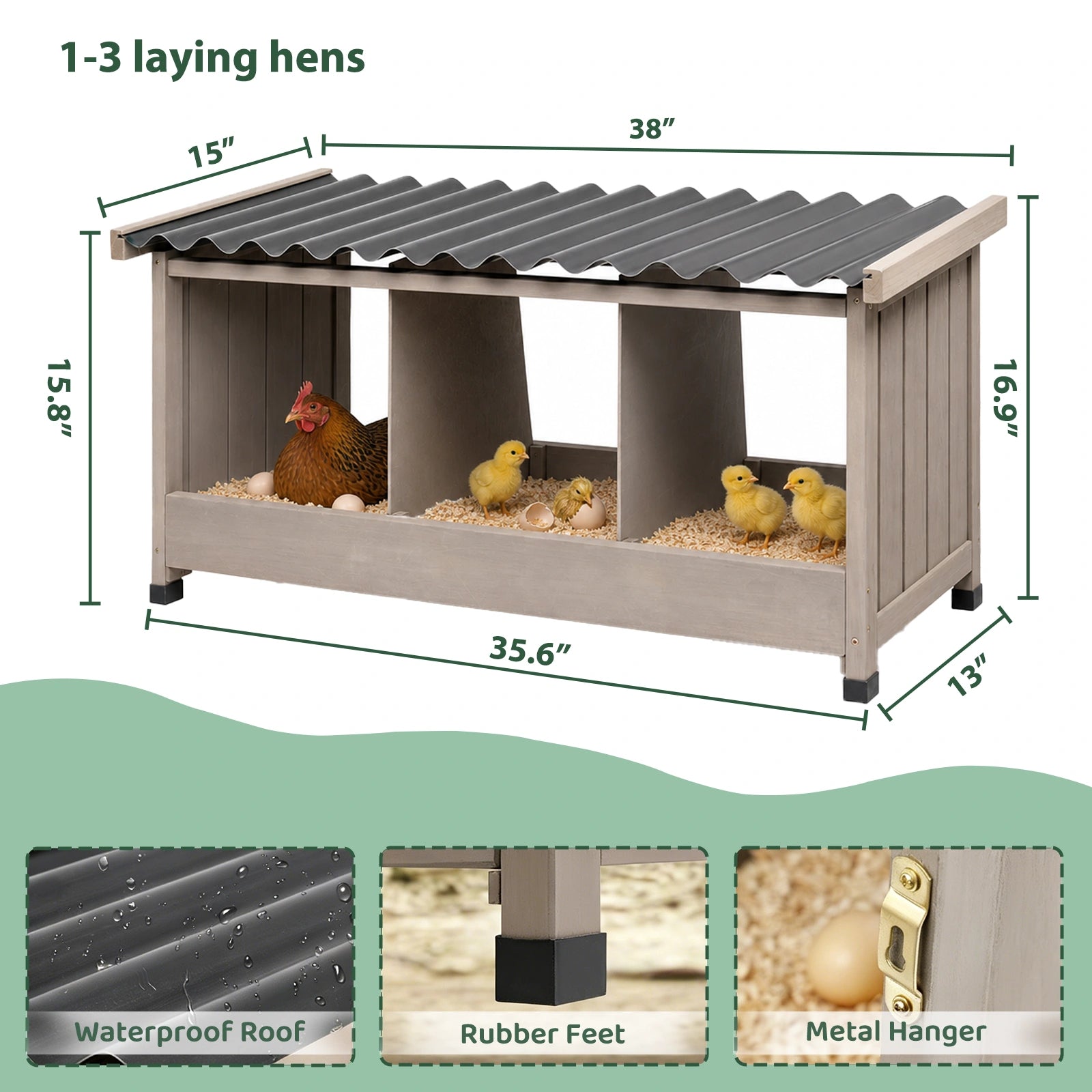
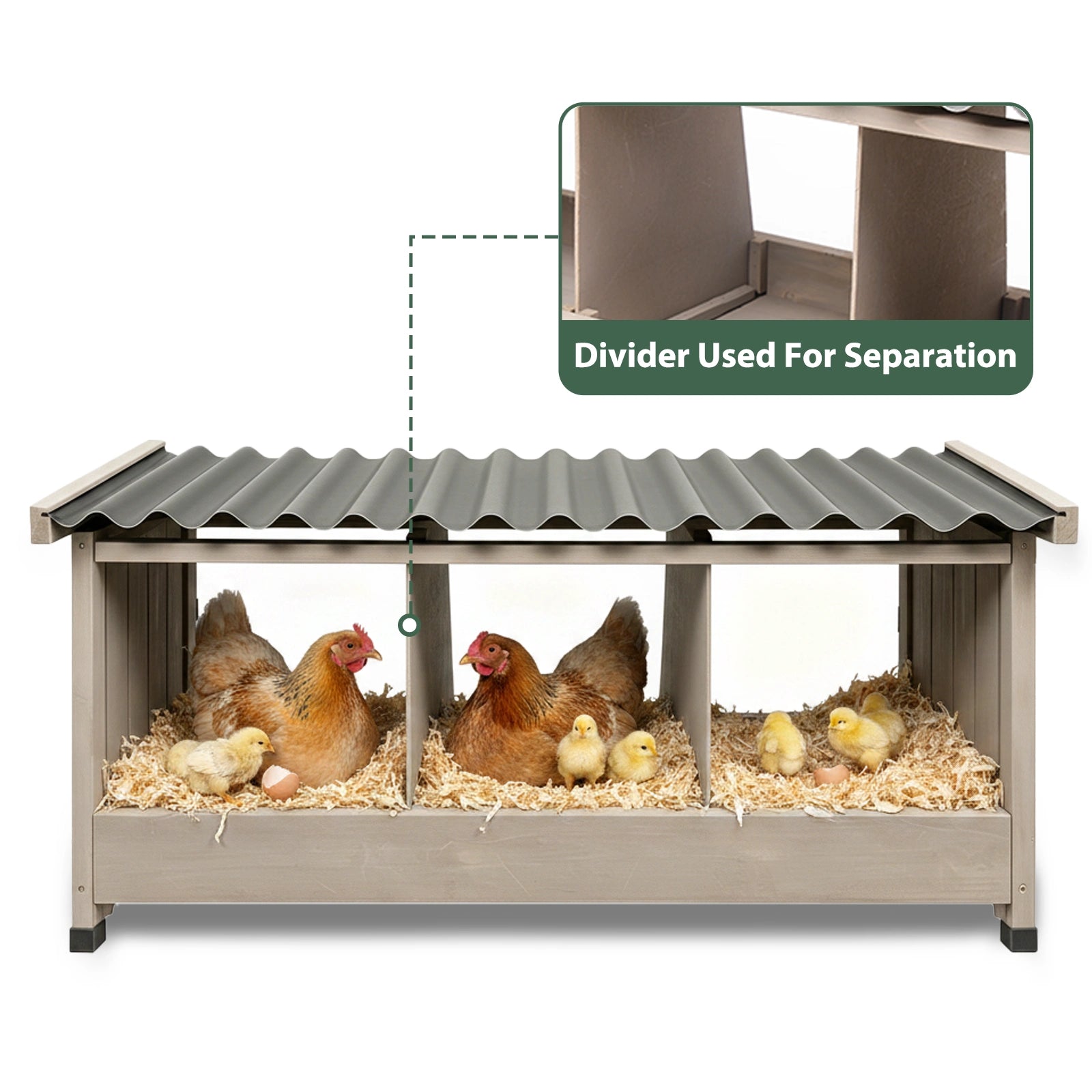
Triple Chicken Nesting Box with PVC Roof - PET56
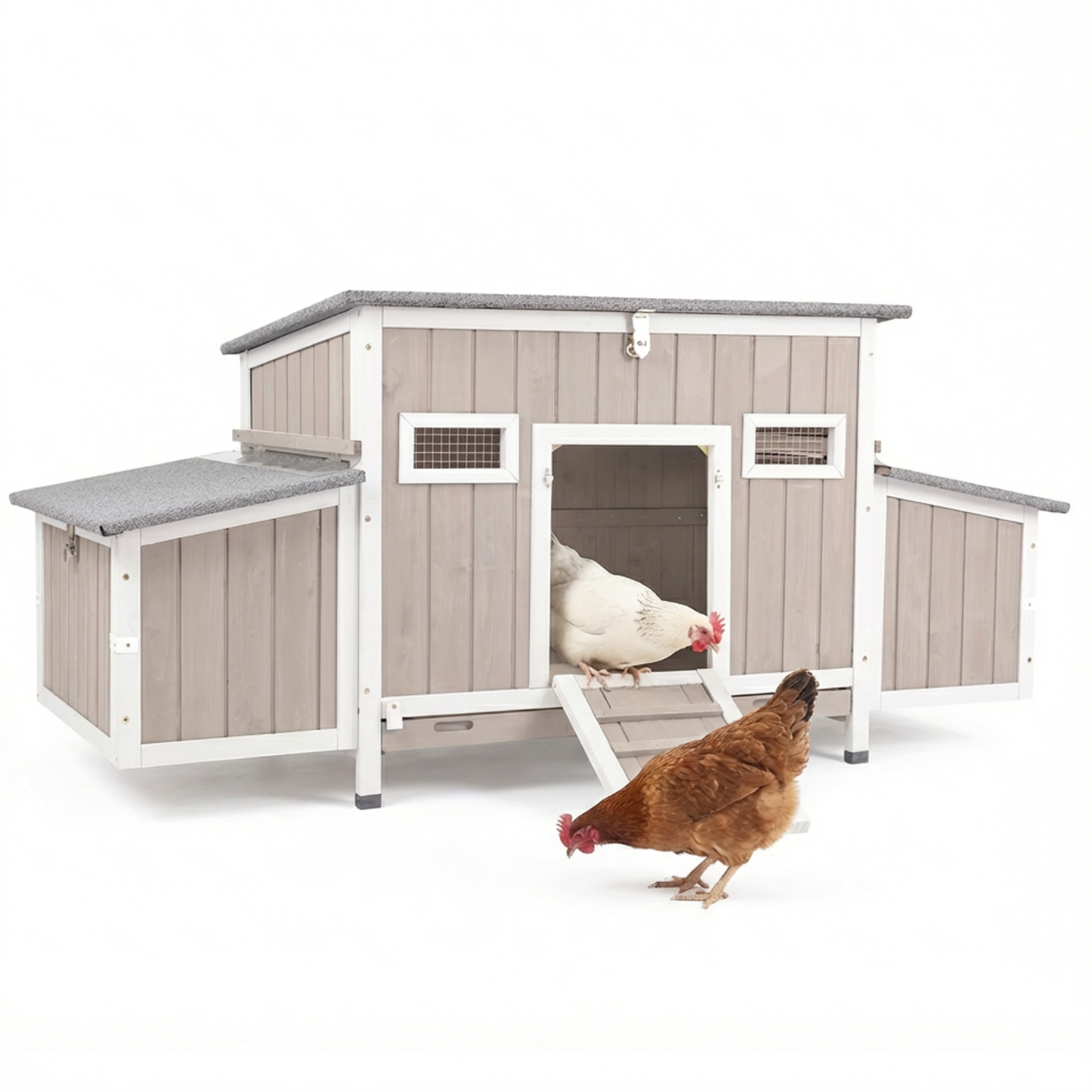
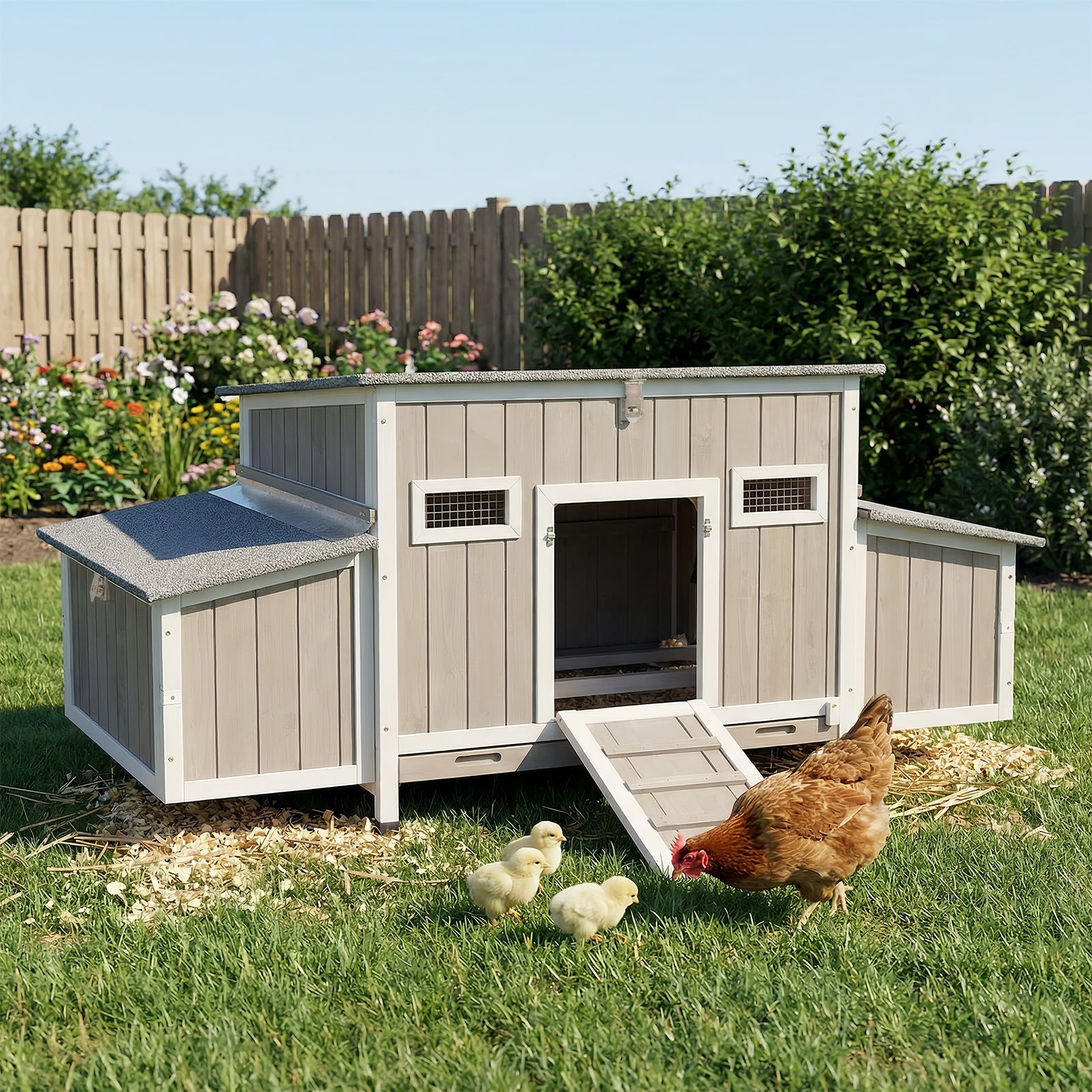


Medium Chicken Coop with Nesting Boxes for 3-5 Chickens - PET84
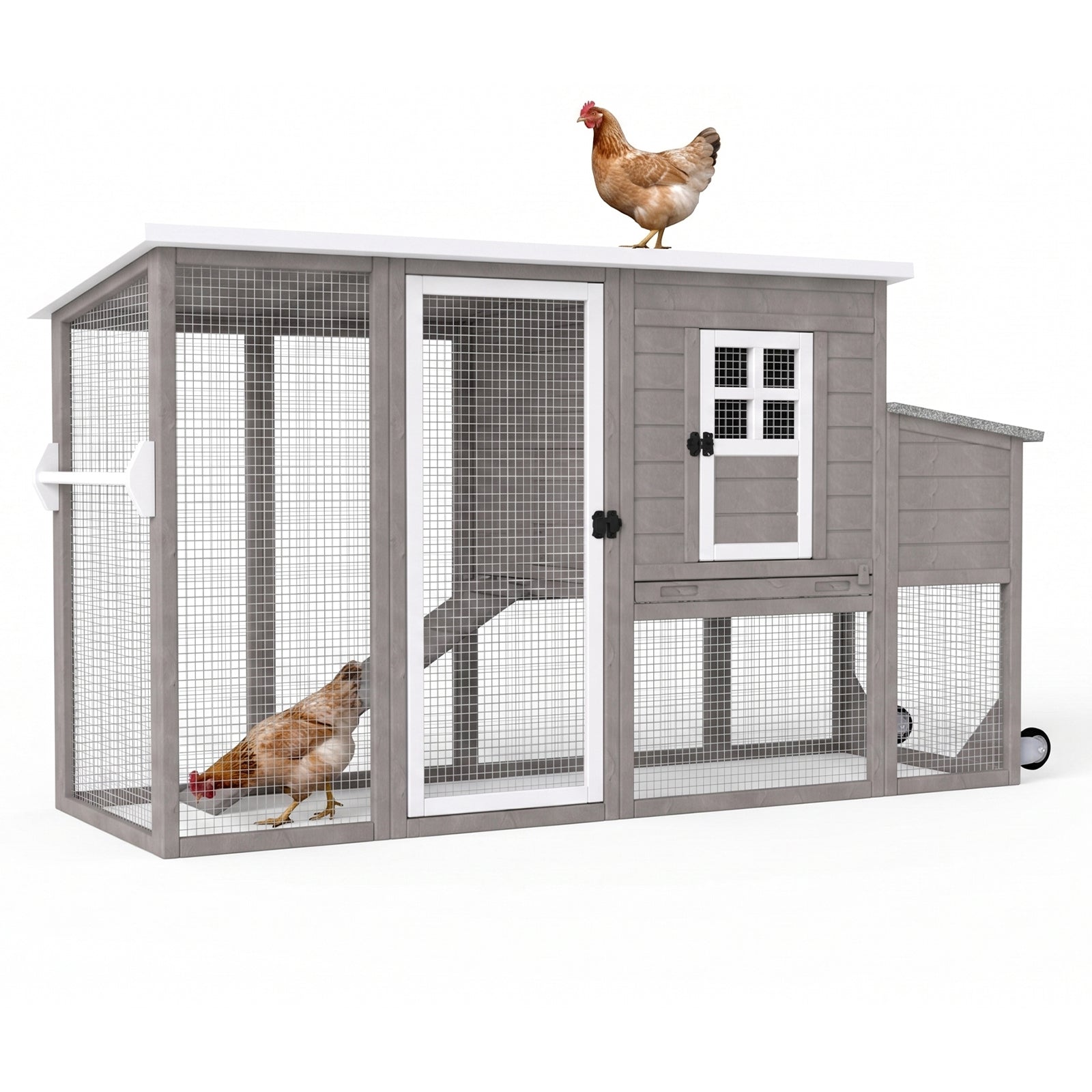
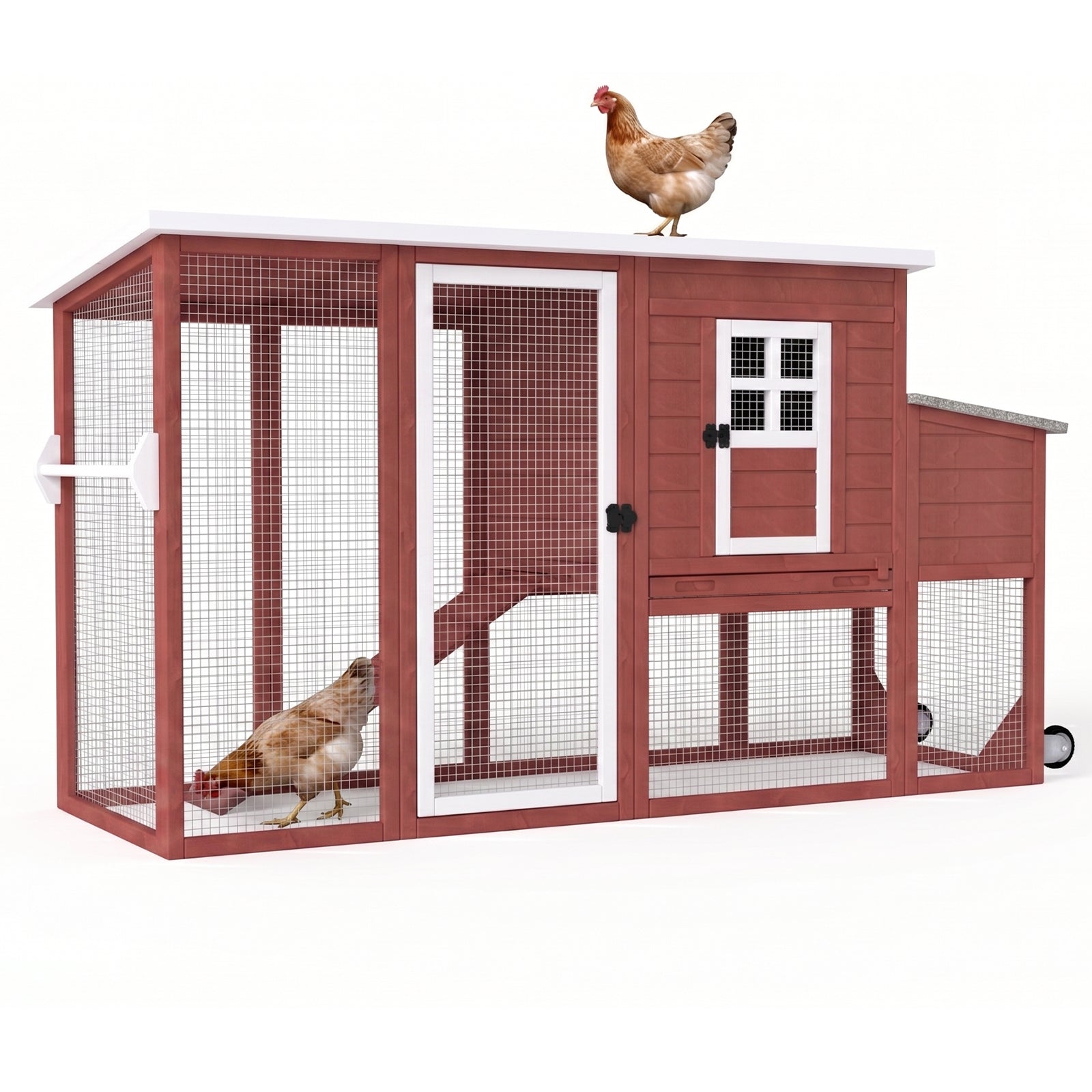
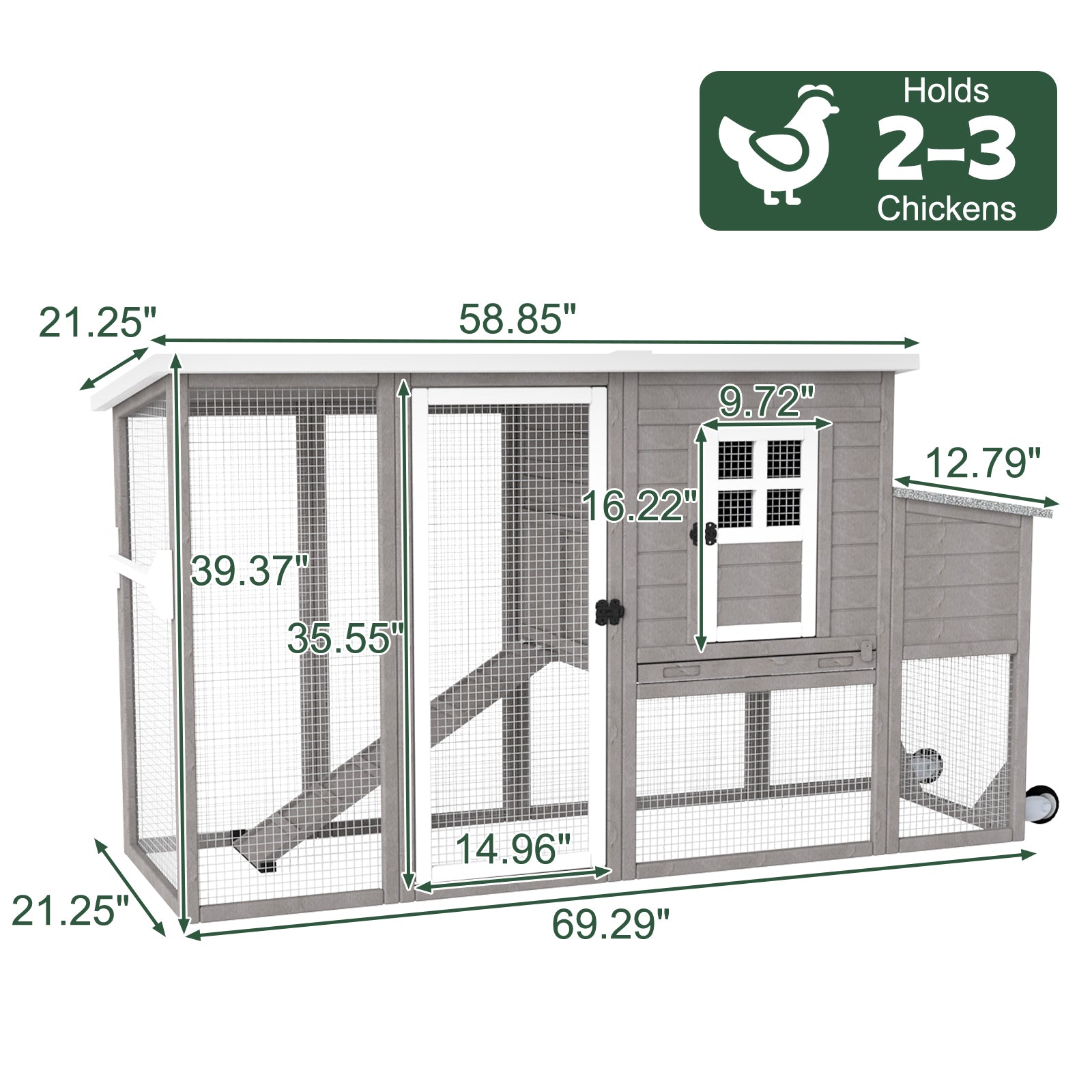
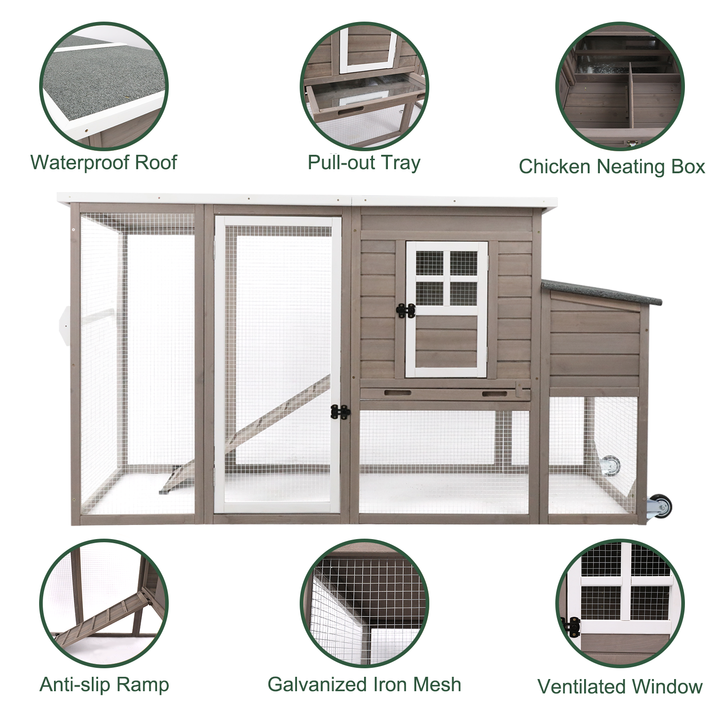
Small Chicken Coop with Run for 2-3 Chickens with Wheels - PET22W


Small Chicken Coop Predator Proof Thickened for 1–3 Chickens - PET87
FAQs
Is a wooden hen house suitable for cold climates?
Yes. Wood is a natural insulator that retains warmth better than metal or plastic. A well-built wooden hen house with sealed gaps, draft-free ventilation, and dry bedding keeps hens comfortable through winter in most U.S. climates without supplemental heating.
How do I keep a wooden chicken coop cool in summer?
Keep your wooden chicken coop cool with these steps:
- Position vents and windows on opposite walls for cross-ventilation
- Add a shade cloth or tarp over the run during peak heat hours
- Use a chicken tractor with wheels to move the flock to cooler, shaded ground during heat waves
How do I weatherproof a wooden chicken coop?
Start with exterior-grade wood sealant or paint on all outer surfaces. Seal gaps around doors, windows, and roof joints with weatherstripping or caulk, and elevate the structure off the ground to prevent moisture absorption. A chicken coop with wheels makes repositioning simple after heavy rain, preventing ground moisture from warping the wood.
How do I keep a wooden chicken coop clean?
Remove droppings and soiled bedding at least twice a week, scrub interior surfaces with diluted white vinegar monthly, and replace bedding fully every 4-6 weeks to control odor. A wooden walk-in chicken coop provides stand-up access for thorough cleaning, while coops on wheels let you move to fresh ground between cleanings.
Is a wooden hen house good for laying breeds?
Absolutely. Rhode Island Reds and Australorps thrive in stable environments. A wooden hen house helps buffer temperature swings naturally, reducing stress that disrupts laying cycles. Pair it with a chicken coop with run for consistent outdoor access, or a mobile chicken coop with wheels for flexible yard placement.
How long does a wooden chicken coop typically last?
A properly maintained wooden hen house lasts 10 to 20 years. Lifespan depends on wood quality, climate, and upkeep. To maximize longevity:
- Elevate the coop off bare ground
- Seal all exterior surfaces annually
- Replace damaged boards promptly
Can I paint or stain a wooden chicken coop safely?
Yes, once fully cured. Use a water-based, low-VOC exterior paint or stain on your wooden chicken coop, applied to exterior surfaces only. Follow the product's recommended drying time before returning hens. Avoid oil-based products inside the coop, as they release VOCs for much longer than water-based alternatives.
Do wooden coops attract termites or carpenter ants?
They can. To protect your wooden walk-in chicken coop:
- Elevate the structure on concrete blocks or treated feet
- Seal all wood surfaces annually
- Clear debris and standing water from around the base
- Inspect regularly for early signs of insect activity
How do I seal a wooden coop floor to prevent rot?
- Sand the floor smooth and remove all debris
- Apply a non-toxic, water-based polyurethane sealer or boiled linseed oil (allow full curing before adding bedding)
- Reseal annually or whenever the surface shows visible wear
For a chicken coop with run in wet climates, seal the run's wooden frame as well. If ground moisture is a persistent issue, a mobile chicken coop with wheels lets you relocate to drier ground without dismantling the setup.