
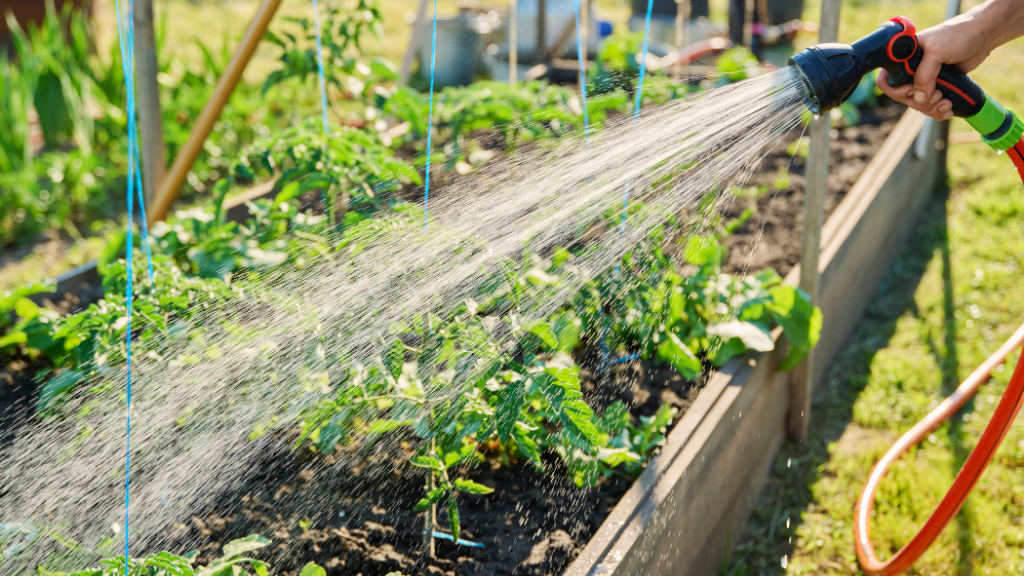
To fill a raised garden bed properly, focus on three things: depth, soil mix, and what goes at the bottom. Get those right, and your bed will drain better, feed plants more consistently, and support stronger root growth from the start.

What to Put in a Raised Garden Bed?
A raised bed works best when you think in layers, but not in a fussy way. The goal is straightforward. You want loose, fertile soil near the top, reliable drainage throughout, and enough organic matter to keep the bed productive over time.
Best soil mix
A raised garden bed grows best when the main fill is high quality topsoil mixed with finished compost. This gives plants the loose structure, nutrients, and moisture balance they need. For most beds, the best results come from using this blend as the main growing layer rather than filling the bed with compost alone.
When to add compost
Add compost while filling the bed, not just after planting. Mixing it into the main root zone helps plants settle in faster and gives the soil a stronger start.
It also makes sense to add more compost at the beginning of each growing season. Raised beds naturally sink as organic matter breaks down. That is normal. A fresh layer of compost helps restore fertility and brings the soil level back up.
When to use bottom fillers
Bottom fillers are useful when the bed is deep and you do not need every inch filled with premium soil. They reduce cost, save soil, and make tall beds more practical to fill.
Still, they are not always necessary. If the bed is shallow or you plan to grow deep rooted crops, fillers can get in the way. Use them only when the bed depth truly allows it.
What to Put in the Bottom?
What belongs at the bottom depends on the height of the bed, what is underneath it, and what you want to grow. There is no one size fits all answer.
Best fillers for deep beds
For deeper raised beds, natural fillers are usually the best option. Good choices include:
- Untreated wood pieces
- Small branches and twigs
- Dried leaves
- Straw
- Partly broken down yard waste
These materials take up space and slowly decompose over time. That makes them especially useful in beds that are 18 inches deep or more, where the lower layer sits well below the main root zone.
Keep the material loose rather than packed. Air pockets help with drainage and decomposition.

When to skip bottom fillers
Skip fillers when the bed is shallow, when you are growing root crops, or when you want the most even soil profile possible. Carrots, parsnips, potatoes, and similar crops usually do better when roots can move through uninterrupted soil.
You should also skip fillers when the bed is already close to the minimum depth your plants need. In that case, every inch matters.
What not to use
Some materials create more problems than they solve. Avoid pressure treated wood scraps, glossy cardboard, plastic, trash, coated lumber, and thick rock layers.
Rocks are a common mistake. They take up valuable root space and do not improve drainage the way many gardeners expect. Better soil structure is almost always the real solution.
How Deep It Should Be?
Depth matters more than many people think. A bed can look generous from the outside and still be too shallow for healthy root development. The right depth depends on what you plan to grow. These are practical ranges, not rigid rules. In most cases, more depth gives you a better margin for success, especially in hot weather when shallow beds dry out quickly.
Depth by plant type
|
Plant type |
Recommended soil depth |
|
Lettuce, basil, chives, shallow rooted flowers |
6 to 8 inches |
|
Beans, spinach, parsley, most annual flowers |
8 to 12 inches |
|
Peppers, bush tomatoes, cucumbers |
12 to 18 inches |
|
Carrots, potatoes, full size tomatoes, larger root crops |
18 inches or more |

How much soil you need
Before filling the bed, calculate the volume. Multiply the bed length by width by height to get cubic feet. Then divide by 27 if you want the number in cubic yards. This step helps you budget more accurately and decide whether bottom fillers make sense.
For example, a bed that is 8 feet long, 4 feet wide, and 1 foot deep needs 32 cubic feet of material. That comes to about 1.19 cubic yards.
Raised Garden Bed examples
Usable growing space matters more than overall shape. A compact wood raised garden bed suits herbs, salad greens, strawberries, and small patios. It is also easier to fill, place, and manage.
More growing room gives you greater flexibility. A large raised garden bed works well for multiple vegetables and crops with deeper roots. The extra space improves plant spacing, supports stronger root growth, and helps soil hold moisture more evenly.
In general, larger beds are easier to manage because they hold moisture more evenly and give roots more room to spread.
How to Fill a Raised Garden Bed?
If you want the clearest answer to how to fill a raised garden bed, it is this: prepare the base, use bottom fillers only when they genuinely help, then add a balanced growing mix and expect some settling. That approach works well for most home gardens.
Prepare the base
Start by clearing weeds, grass, and debris from the area. If the bed is going over the lawn, you can place plain cardboard at the bottom to suppress the grass while still allowing it to break down naturally. It is also worth setting the bed on level ground if possible. Uneven placement can lead to uneven watering, and that becomes frustrating fast.

Add bottom fillers if needed
If the bed is deep enough, add coarse organic fillers first. Put larger materials such as branches or wood pieces at the bottom, then layer lighter materials like leaves or straw above them.
Keep this lower layer below the main root zone. If the bed is shallow, skip this step and move straight to the soil mix.
Add the soil mix
Fill the rest of the bed with your growing mix. For most gardens, that means topsoil blended with compost. If the texture feels too heavy, lighten it slightly with a coarse amendment that suits garden soil.
Try not to use random leftover materials just to fill space. Raised beds perform better when the mix is intentional and fairly consistent from top to bottom.
Top off after settling
Once the bed is watered, the contents will settle. Sometimes only a little. Sometimes more than expected.
Keep extra soil or compost nearby after the initial fill. Check the level after the first deep watering and again after a few weeks. Add more mix as needed so the soil stays close to the top edge without overflowing.
Best way to fill a raised bed
The best way to fill a raised bed is to create a deep, loose, fertile root zone with as few obstacles as possible. For most gardeners, that means using minimal fillers, plenty of finished compost, and a strong topsoil base.
Do not cut corners in the top 8 to 12 inches. That layer does most of the work.
Cheapest way to fill a raised bed
The cheapest method is usually a layered one. Use free or low cost natural fillers in the bottom of a deep bed, add bulk topsoil above that, and finish with compost in the main growing zone. This keeps costs under control without hurting plant performance. Just be careful not to save money by using poor quality material. Cheap fill often turns into expensive fixes later.
Best Soil Mix
Soil mix shapes how well your raised bed drains, feeds plants, and holds moisture. It is the foundation of the whole setup.
Topsoil and compost blend
For most raised beds, this simple blend works well:
|
Material |
Typical share |
What it does |
|
Topsoil |
60 percent |
Adds structure and mineral content |
|
Finished compost |
30 to 40 percent |
Supplies organic matter and nutrients |
|
Optional coarse amendment |
Small amount |
Improves texture if the soil feels too dense |
This mix is flexible enough for vegetables, herbs, and flowers. If your topsoil is already loose and crumbly, use a bit less compost. If it feels heavy, increase compost modestly.
Fresh manure is not the same as finished compost. It is usually too strong for direct use in a new bed and can throw off the nutrient balance.
When to add sand
Sand is not a standard ingredient. Use it only when the soil is very heavy and you need to improve texture. Even then, use coarse sand sparingly and mix it thoroughly.
Too much sand can make the bed harder rather than looser, especially when mixed with clay heavy soil. In most cases, compost is the safer and more effective way to improve structure.

Conclusion
A raised bed works best when the depth matches your plants, bottom fillers are used only when they truly make sense, and the main growing layer is built with rich, loose soil. Start with a sound mix, top it off as it settles, and explore more gardening options if you are planning your next setup.
FAQs
Can I fill a raised bed with just compost?
You can, but it usually is not the best choice. Pure compost can hold too much moisture, settle heavily, and stay too rich for some plants. A mix of topsoil and finished compost is usually more stable and easier to manage.
Should I put cardboard or landscape fabric under a raised bed?
Cardboard is often a smart option if you are placing the bed over grass or weeds. It helps suppress growth and breaks down over time. Landscape fabric is less useful in most garden beds because it can limit root movement and reduce contact with the soil below.
Should I put rocks in the bottom of a raised bed?
Usually, no. Rocks take up space that roots could use and do not improve drainage the way many people expect. A better choice is a well balanced soil mix and, in deeper beds, organic fillers if needed.
Can I fill a raised bed over grass?
Yes. Mow the grass as low as possible, place cardboard over it, then set the bed on top and fill it as usual. The cardboard helps block the grass while the bed gets established.
How often should I top off soil in a raised bed?
Check it once or twice a year, especially after the first growing season and again at the start of planting time. Most raised beds settle gradually, so adding a little compost or extra soil each season is completely normal.
More reading: A Beginner’s Guide to Urban Vegetable Gardening


Share:
A Beginner’s Guide to Urban Vegetable Gardening in Pots and Planters
Raised Garden Bed vs. Planter Box: How to Choose for Yards, Patios, and Balconies?