
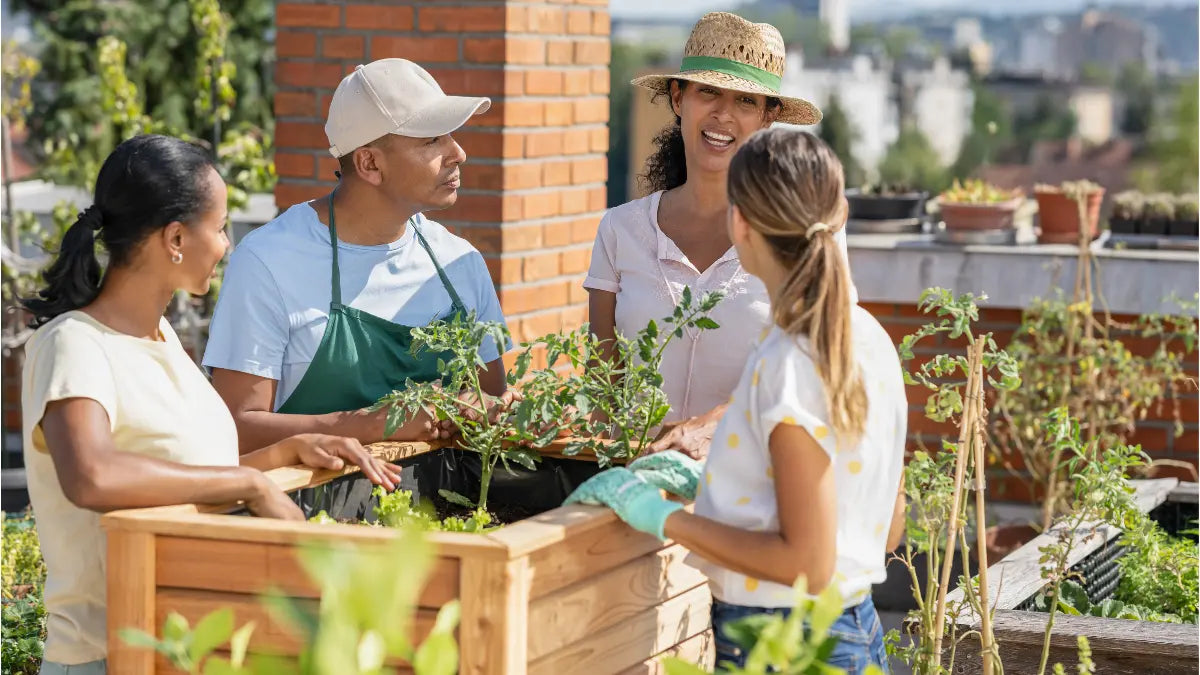
Urban vegetable gardening in pots and planters makes it possible to grow fresh food in places that seem too small at first. A balcony, patio, doorstep, or sunny corner can produce more than most people expect. Small spaces can work beautifully.
Why Grow Vegetables in Containers
Container gardening makes it easier to grow food at home, especially when space is limited or ground soil is poor. Pots and planters also give you more control over growing conditions, which helps vegetables stay healthier and easier to manage.
-
Small Space Benefits: Containers let you turn balconies, patios, steps, and sunny corners into productive growing areas. Even a compact setup can support herbs, lettuce, peppers, and tomatoes.
-
Avoiding Pests and Poor Soil: Heavy clay, poor drainage, and certain ground pests are often easier to manage when vegetables are grown in containers with fresh potting mix.
-
Easier Access: Elevated planters and container layouts are often easier to reach, making watering, pruning, and harvesting more comfortable.
Choosing the Right Container
The right container supports healthier roots, steadier moisture, and better overall growth. It does not need to be expensive, but it should match the size and needs of the crop.
Size and Depth
Larger containers are usually easier to manage because they hold more soil, stay moist longer, and reduce stress on plants. Depth is just as important. Lettuce and many herbs can grow well in shallower containers, while tomatoes, peppers, and root crops need more room below the surface.
Container Types and Materials
Wood, plastic, resin, fabric, and metal all have their advantages. The best option depends on your climate, style, and maintenance preferences. Wood offers a natural look, fabric is lightweight and breathable, plastic is easy to move, and metal can work well but may heat up in strong sun.
For a setup that looks cohesive and feels purpose-built for edible gardening, wooden planter boxes are a practical option because they offer good growing space, a cleaner layout, and a more polished look than a random collection of mismatched pots.

Self-Watering Options
Self-watering containers can be a helpful option for busy gardeners or for hot, windy spaces where soil dries quickly. They will not replace regular care, but they can keep moisture more consistent for crops such as tomatoes, peppers, cucumbers, and leafy greens.
Best Spot for Your Planters
Sunlight Needs
Most vegetables need at least six hours of direct sun, and fruiting crops usually want more. Tomatoes, peppers, beans, and eggplants are especially light hungry. Leafy greens and many herbs are more flexible, which makes them useful for spaces with shorter sun windows.
Watch the light before planting. Morning, midday, and afternoon.
Wind Protection
Urban growing spaces can be windy, especially on balconies, rooftops, and open decks. Strong wind dries soil faster and can damage stems and leaves. Using walls, railings, grouped containers, or other nearby structures can help create a more protected growing area.
Mobility and Placement
Movable containers make it easier to adjust your layout as the season changes. They can be shifted for better light, moved away from strong wind, and repositioned to make watering and harvesting easier. In small outdoor spaces, a raised garden bed on wheels can add both flexibility and convenience while keeping the setup neat and easy to manage.

Potting Mix for Container Vegetables
Potting mix is one of the most important parts of successful container gardening. Many problems start when vegetables are planted in soil that is too heavy or poorly suited to pots.
Why Garden Soil Fails
Garden soil is meant for the ground. In containers, it often compacts, drains poorly, and becomes too dense for healthy roots. Once packed into a planter, it can turn heavy, airless, and slow to recover after watering.
Roots need air too.
Container vegetables grow best in mixes that stay loose enough for roots to spread while still holding adequate moisture.
Choosing a Soilless Mix
A quality soilless potting mix is usually the best choice because it drains well, resists compaction, and supports healthy root growth. Look for ingredients such as coco coir, peat moss, bark fines, or perlite. A better mix often means stronger plants and fewer problems later.
Adding Compost at Planting
Compost can improve texture and add a mild nutrient boost, but it should be blended into the mix rather than used alone. When you are mixing soil, filling planters, and transplanting seedlings, potting bench tables can also make the process cleaner, easier, and more organized.

Watering and Fertilizing Container Vegetables
Containers dry out faster and lose nutrients more quickly than in-ground beds, so regular watering and feeding are essential for healthy vegetable growth.
How Often to Water
There is no fixed watering schedule for every container garden. Weather, planter size, crop type, and potting mix all affect how quickly soil dries out. In cooler conditions, watering every few days may be enough, while smaller planters in hot weather may need water daily. Check the soil instead of following the calendar.
How to Prevent Dry Soil
Use a container large enough for the crop, choose a moisture-retentive potting mix, and avoid overly windy spots. Mulch can also help reduce evaporation and keep the soil cooler. Grouping containers together may further slow moisture loss during hot weather.
Why Containers Need More Feeding
Vegetables are hungry plants, and containers hold only a limited supply of nutrients. On top of that, regular watering gradually washes nutrients out of the mix. Even a rich potting blend will not feed a productive tomato or pepper forever.
This is normal. Not a mistake.
Container vegetables often need ongoing feeding to maintain healthy growth and strong yields through the season.
Granular vs Liquid Fertilizer
Granular fertilizers are useful for building a steady nutrient base. They release nutrients more gradually and are often mixed into the potting mix or applied as directed through the growing season. Liquid fertilizers work faster and can be helpful when plants need a more immediate boost.
Many gardeners use both. A slow, steady base from granular feeding, paired with occasional liquid feeding during periods of heavy growth, often works very well for vegetables in containers.

Best Vegetables to Grow in Pots
Not every vegetable thrives in container life, but many do very well. The key is choosing crops that match your light, space, and container depth.
Shallow-Root Vegetables
These are excellent for beginners and for smaller planters because they establish quickly and often produce fast. These crops are perfect when you want early wins and frequent harvests.
Common choices include:
|
Vegetable type |
Good choices |
|
Salad crops |
Lettuce, arugula, spinach, baby kale |
|
Quick harvest roots |
Radishes |
|
Compact herbs |
Chives, cilantro, parsley |
Mid-Depth Vegetables
This group offers a great balance between productivity and practicality. These plants need more room than shallow-root crops, but they are still realistic for balconies and patios.
Good options include bush beans, chard, onions, shorter-rooted carrots, and many compact pepper varieties. They reward steady care without overwhelming a small space.
Deep-Root Vegetables
Larger fruiting crops usually fall into this category. Tomatoes, eggplants, full-size peppers, cucumbers, and potatoes need deeper containers, steadier moisture, and more consistent feeding. They also usually need more direct sun.
For many growers, these are the headline crops of the season.
Best Herbs for Containers
Herbs are some of the most useful plants in an urban edible garden because they fit small spaces, adapt well to containers, and get harvested often. Basil, thyme, oregano, parsley, mint, and rosemary are all strong options, though mint should usually be grown alone because it spreads aggressively.
They are practical and attractive. A planter with basil around a compact tomato or parsley edging a pepper container looks abundant and useful at the same time.

In Summary
Urban vegetable gardening in pots and planters is a practical way to grow fresh food in a small space. With the right containers, potting mix, sunlight, and regular care, even a compact patio or balcony can produce a rewarding harvest. For more ideas and helpful products to support your setup, explore Petscosset’s gardening supplies for planters, raised beds, potting benches, and other useful garden essentials.
Share:
Do Cats Grow a Thicker Coat in Fall?
How to Fill a Raised Garden Bed Step by Step?