
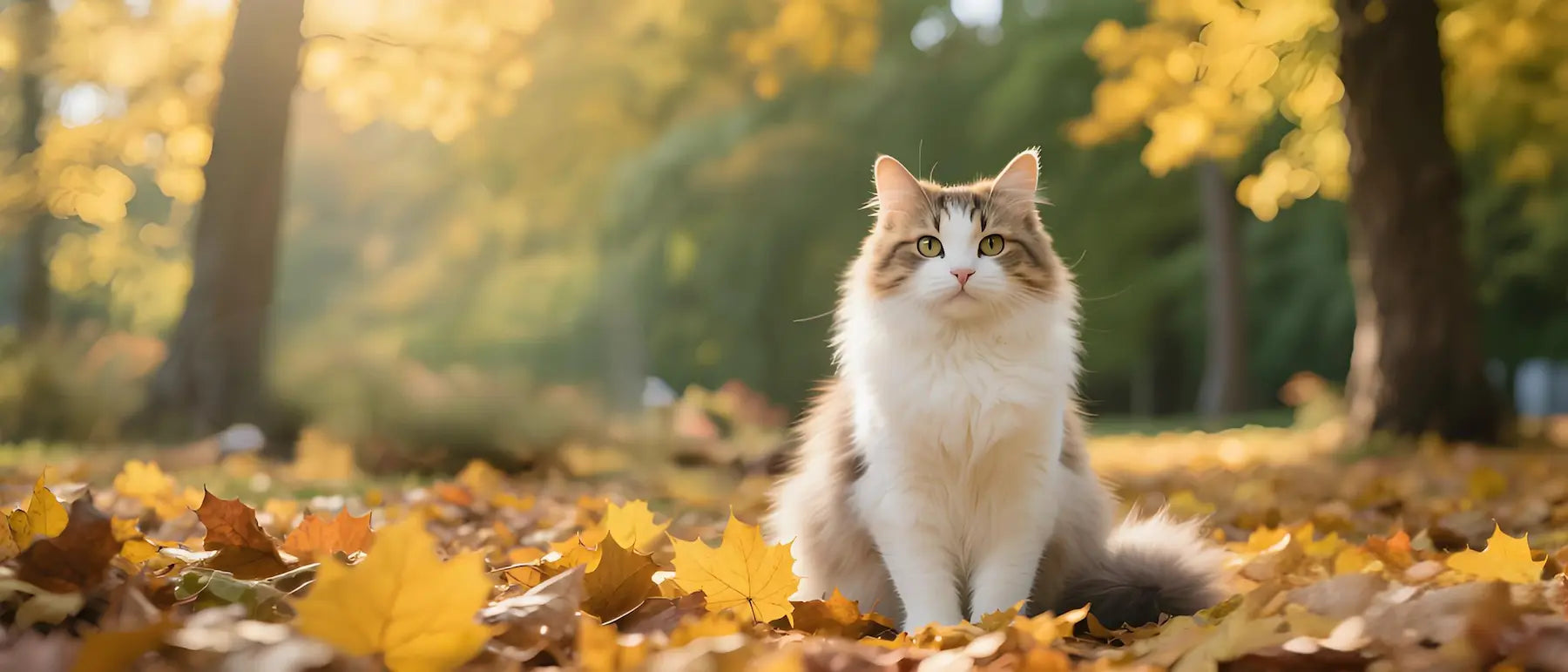
1. Seasonal Changes in Cat Fur
As autumn arrives, many cat owners notice that their feline’s fur looks thicker, fluffier, and denser. This is not an illusion.
Cats’ fur growth is influenced by photoperiod (daylight hours) and temperature. When days become shorter and temperatures drop, the cat’s body naturally prepares for colder weather by growing a denser coat.
📊 Data Insight: According to the American Veterinary Medical Association (AVMA), about 72% of cat owners report that their cats’ coats become thicker during fall and winter. This is a typical seasonal shedding and regrowth cycle.
2. Indoor Cats vs. Outdoor Cats 🏠🌳
Not all cats experience noticeable coat changes.
-
Indoor Cats: Living in climate-controlled environments with heating and air conditioning, indoor cats often show little to no seasonal coat thickening.
-
Outdoor Cats: Exposed to natural light and temperature shifts, outdoor cats are much more likely to grow a visibly thicker winter coat.
📌 Case Example: A cat owner in New York shared that her outdoor cat always grows a much denser coat in autumn and sheds heavily in spring, while her indoor cat maintains nearly the same coat thickness year-round.
3. Grooming Tips for the Fall Season ✂️🧤
When your cat’s coat becomes thicker, proper grooming is essential:
-
Brush regularly: Prevent mats, tangles, and excess dead hair.
-
Support with nutrition: A diet rich in protein and Omega-3 fatty acids promotes a healthy coat.
-
Watch for hairballs: Denser fur increases the risk of hairballs, so consider hairball-control treats or cat grass.
4. Health Considerations ⚠️🐱
While seasonal coat thickening is normal, some issues require attention:
-
Sudden thinning patches or uneven fur growth
-
Redness, itching, or visible skin irritation
-
Excessive licking or over-grooming of one area
These signs may indicate allergies, parasites, or thyroid-related problems rather than seasonal changes. In such cases, consulting a veterinarian is the safest option.
5. Final Thoughts 🌟
Yes — cats do grow thicker coats in fall, especially outdoor cats exposed to natural seasonal changes. As cat owners, we can help by grooming regularly, monitoring coat health, and ensuring comfort during colder months.
👉 Want to make your cat’s fall and winter even cozier? Explore our Cat Houses & Furniture Collection 🏡🐾


Share:
Best Outdoor Dog Kennel for Large Breeds – Comfort, Safety & Space
A Beginner’s Guide to Urban Vegetable Gardening in Pots and Planters