

Raised garden bed's depth determines how much room roots have to spread, how steadily soil holds moisture, and how well plants produce. When soil is too shallow, vegetables can dry out faster, stay undersized, or develop weaker yields.
The right raised garden bed depth depends on the plants you want to grow. Some crops have compact root systems and perform well in shallow soil. Others need deeper soil for stronger roots, better moisture retention, and higher productivity.
|
Plant Type |
Recommended Soil Depth |
Good Choices |
|
Shallow-rooted plants |
6 inches |
Lettuce, spinach, herbs, radishes |
|
Medium-rooted plants |
12 inches |
Peppers, bush beans, kale, strawberries |
|
Deep-rooted plants |
18+ inches |
Tomatoes, cucumbers, carrots, potatoes |

A 6-inch-deep raised garden bed can work for plants with small, shallow root systems. This depth is best for quick-growing greens, compact herbs, and small root crops.
Good options include:
Six inches should be treated as the minimum, not the ideal depth for every plant. In hot or dry regions of the U.S., shallow beds lose moisture faster, so they usually need more frequent watering.
A 12-inch garden bed is a practical choice for many home gardeners. It gives roots more room than a shallow bed while keeping the planter manageable for patios, decks, balconies, and small yards.
This depth works well for:
For many vegetables and herbs, 12 inches offers the best balance between root space, soil volume, water retention, and ease of maintenance.
Larger vegetables and deep-rooted crops need more soil. A garden bed that is 18 inches deep or more gives roots room to grow downward, holds moisture longer, and supports heavier plants through the growing season.
Use 18 inches or more for:
Deep raised garden bed are especially useful for fruiting vegetables because these plants need steady moisture and nutrients to support flowering and harvest production.

If you are choosing a raised garden bed for vegetables, match the depth to the crop with the largest root system. A garden bed that works for lettuce may not be deep enough for tomatoes or potatoes.
|
Vegetable Group |
Suggested Depth |
Notes |
|
Lettuce, herbs, and greens |
6 to 8 inches |
Best for shallow beds and small spaces |
|
Peppers and strawberries |
10 to 12 inches |
Better with moderate soil volume |
|
Tomatoes and cucumbers |
18+ inches |
Need more root space and support |
|
Carrots and potatoes |
12 to 18+ inches |
Depth depends on variety and harvest size |
Tomatoes need more depth than most common garden vegetables. For best results, use at least 18 inches of soil depth. Larger tomato varieties may benefit from even deeper beds, especially if they are grown in full sun.
Peppers can grow in about 12 inches of soil, but 14 to 16 inches is better for stronger plants and better yields. Cucumbers usually need at least 18 inches, particularly when grown vertically with a trellis.
Lettuce, spinach, arugula, and many herbs are suitable for shallow garden beds. Most can grow in 6 to 8 inches of soil because their roots stay close to the surface.
Herb depth depends on the variety. Basil, cilantro, parsley, and chives can grow in moderate soil depth. Woody herbs such as rosemary, sage, and thyme usually do better with 10 to 12 inches or more.
Root vegetables need enough depth for the edible part of the plant to form properly. Short carrot varieties can grow in 8 to 10 inches of soil, while standard carrots usually need at least 12 inches.
Potatoes need deeper soil because tubers form underground. A potato garden bed should usually be 12 to 18 inches deep, with enough room to add more soil as the plants grow.

Elevated garden beds are popular because they reduce bending, keep plants easier to reach, and work well on patios, balconies, decks, and compact yards. However, the total product height is not the same as the usable planting depth.
To measure usable soil depth, measure from the inside bottom of the planting area to the expected top soil line. Do not measure from the ground to the top edge of the planter.
For example, an elevated planter may stand 30 inches tall, but the actual planting bed may only provide 8 to 12 inches of soil depth. That can be enough for herbs, lettuce, greens, and strawberries, but it may not be ideal for deep-rooted vegetables.
When checking planter depth, look at:
Before choosing from raised garden beds, check whether the usable soil depth matches the crops you plan to grow. A shallow elevated garden bed can be excellent for herbs and greens, while tomatoes, cucumbers, and potatoes need more room.
Also consider where the planter will be placed. A garden bed on a deck or balcony should not become too heavy after it is filled with soil and watered. For small outdoor areas, elevated designs are often easier to maintain than ground-level beds.

Depth matters, but it cannot compensate for poor soil or bad drainage. A deep raised garden bed with compacted soil or blocked drainage can still cause weak roots, water stress, or plant disease.
Use a quality potting mix instead of dense garden soil. Garden soil can become compacted inside a raised garden bed, which limits airflow around the roots and makes watering less effective.
A good raised garden bed mix should be:
For deeper garden beds, refresh the top few inches of soil each season and mix in compost to restore nutrients. Avoid filling the bottom with heavy materials that reduce usable root depth unless the planter is much deeper than your plants require.
Raised garden beds need drainage holes so excess water can escape. Without drainage, water can collect at the bottom of the beds and damage roots.
Raised bed liners can help protect wooden raised garden beds and reduce soil loss, but they should not block water flow. If you use a liner, make sure it is breathable, perforated, or installed in a way that allows drainage.
Good drainage practices include:

The best raised garden bed's depth also depends on where you plan to use it. A backyard garden can usually support deeper garden beds, while a balcony or small patio may need a lighter and more compact option.
For small patios and balconies, choose a raised garden bed that provides enough depth without becoming too heavy or difficult to move. A 6 to 12-inch depth is often practical for herbs, lettuce, greens, strawberries, and compact vegetables.
A raised garden beds on wheels is especially practical for small patios and balconies, where sunlight, shade, and usable floor space can change throughout the day. The wheeled design makes it easier to move plants into better light, shift them away from strong wind or heavy rain, and clean around the planter without lifting a heavy garden bed filled with soil.
For compact spaces, prioritize:
Backyard gardens can usually handle deeper raised garden beds. If you want to grow a wider range of vegetables, choose at least 12 inches of soil depth. For tomatoes, cucumbers, potatoes, and long carrots, 18 inches or more is better.
A deeper backyard planter gives you more planting flexibility and helps soil stay moist longer during warm weather. It also allows you to grow different crops in the same bed, as long as each plant has enough spacing and root room.

For most home gardens, 12 inches is a practical raised garden bed depth. Use 6 inches for shallow greens and herbs, and 18 inches or more for tomatoes, cucumbers, potatoes, and deep-rooted crops. Always match depth to roots, drainage, and space.
Yes, 6 inches can be enough for shallow-rooted plants such as lettuce, spinach, arugula, cilantro, parsley, chives, and radishes. It is not deep enough for larger vegetables such as tomatoes, cucumbers, potatoes, or standard carrots.
Tomatoes grow best in a raised garden bed with at least 18 inches of soil depth. Larger tomato varieties may perform better with deeper soil, especially in hot areas where extra soil volume helps retain moisture.
The minimum depth depends on the vegetable. Shallow greens can grow in 6 inches, many medium-rooted vegetables need around 12 inches, and deep-rooted or fruiting vegetables often need 18 inches or more.
Yes. Shallow raised garden beds dry out faster because they hold less soil and moisture. Deeper garden beds usually retain water longer, which can reduce watering frequency and help plants stay healthier during warm weather.
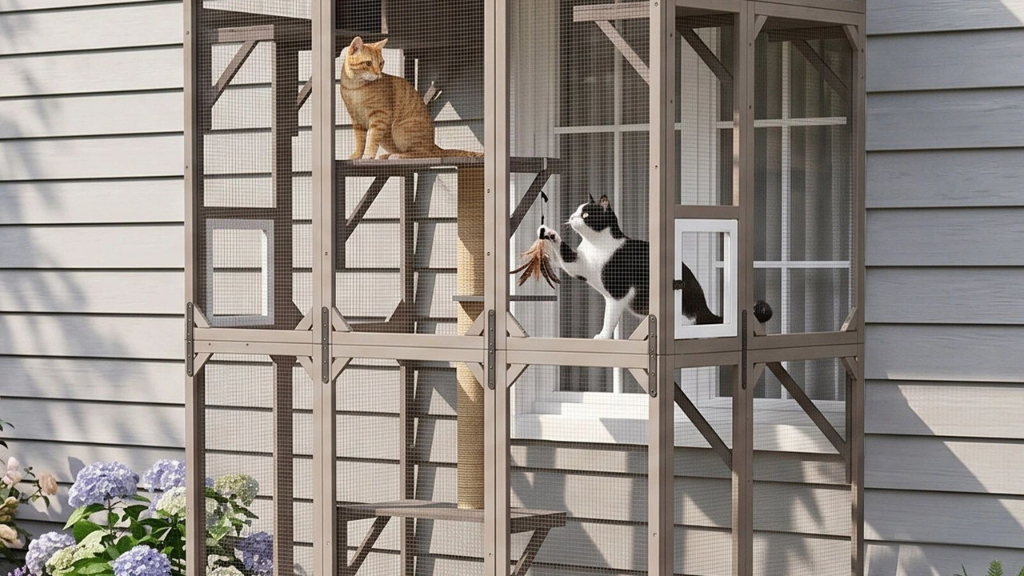
Most people buying a cat window box focus on looks and price. The decisions that actually determine whether your cat uses it come down to a few easily overlooked details.
Read moreabout 7 Cat Window Box Mistakes to Avoid Before Buying

Building a catio yourself seems like the budget-friendly choice. But tools, time, and first-build mistakes add costs that most guides never put on the table.
Read moreabout DIY Catio vs. Pre-Built: The Hidden Costs of DIY

Your cat can't tell you they're bored or stressed - but their behavior can. These signs suggest a window catio might be exactly what they need.
Share:
Chicken Coop vs. Chicken Tractor: Which One Is Right for Your Flock?
Chicken Tractor with Wheels: How a Wheeled Coop Works and How Often to Move