
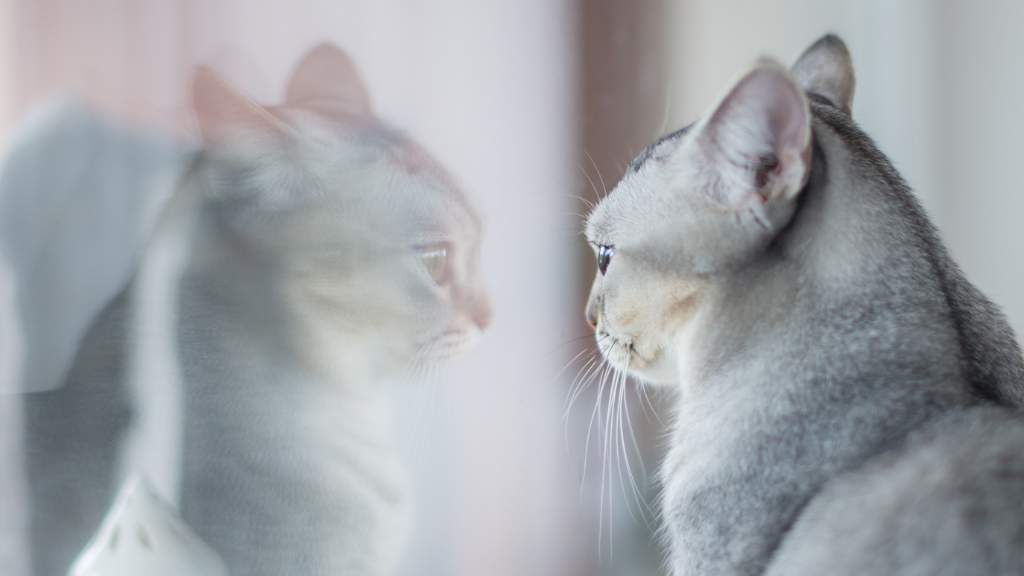
Torn furniture, sleepless nights from non-stop meowing, a cat that won't leave the window alone. These aren't just bad habits. They're signs your indoor cat isn't getting what they need, and a window catio could be the most straightforward solution.
The Indoor Cat Reality in America
The Indoor Cat Problem Most Owners Overlook
According to the American Veterinary Medical Association (AVMA), tens of millions of pet cats in the United States live exclusively indoors. While keeping cats inside protects them from traffic, predators, and disease, it also cuts them off from the sensory experiences they're hardwired to seek: fresh air, natural light, the sound of birds, and the simple pleasure of watching the world move.
Most owners respond to this with toys or scratching posts, which help but rarely go far enough. Cats aren't just bored; they're understimulated at a deeper level. Window catios bridge that gap by giving your cat access to the outdoors without the risks of free roaming.

Behavioral & Health Signs to Watch For
Cats can't tell you when something is wrong, but their behavior usually will. If you're noticing any of the following patterns, your cat may be signaling that they need more than what your four walls can offer.
Sign 1: Scratching Everything in Sight
Scratching is a normal and necessary behavior. It helps cats maintain their claws, stretch their muscles, and mark territory through scent glands in their paws. The problem arises when it becomes excessive or destructive, targeting your sofa, curtains, or door frames despite having scratching posts available.
According to the American Association of Feline Practitioners (AAFP), indoor-only cats are at higher risk of developing behavior problems when they lack adequate outlets for natural instincts. Destructive scratching is rarely a discipline problem. It's more often a signal that your cat needs more than their current environment provides.
Sign 2: Excessive Meowing or Restlessness
Persistent vocalization at night, restless pacing, or an inability to settle are easy to dismiss, but they often point to understimulation rather than a behavioral problem. Cats are naturally crepuscular and most active around dawn and dusk.
Without an outlet for that energy, it spills into the household in disruptive ways. Even a compact option like the PET07 Cat Window Box gives them somewhere to direct that alertness productively.

Sign 3: Window Obsession and Pacing
Watch a cat at a window long enough and it becomes obvious: this isn't casual curiosity. The fixed gaze, the tracking of every bird and rustling leaf, the occasional chirp or tail flick are all signs of a drive to engage with an environment they can see but can't reach. When that drive has no outlet, it surfaces as pacing, frustration, or persistent attention-seeking. A window catio doesn't just extend the view. It puts them inside it.
Sign 4: Low Activity and Weight Gain
Feline obesity is one of the most commonly reported health concerns among US veterinarians, and indoor cats are disproportionately affected. Less movement means more weight, and excess weight carries real risks: diabetes, joint deterioration, and a shorter lifespan.
A larger option like the PET08 68" Wooden Cat Catio gives cats more room to shift, explore, and respond to outside stimuli, with three access doors and tunnel ports that support multi-cat households particularly well:
- Climbing in and out of the enclosure
- Shifting positions in response to outdoor stimuli
- Reacting to birds, wind, or passing movement outside
Sign 5: Stress and Anxiety in Indoor Cats
Chronic stress in cats is easy to miss. Signs like over-grooming, hiding, appetite changes, or litter box avoidance are often written off as personality quirks, when they're actually symptoms of an environment that isn't meeting the cat's needs.
A consistent outdoor space to decompress and observe the world on their own terms can make a real difference. The table below outlines what to watch for and how a window catio can help.
|
Behavior |
Possible Cause |
How a Window Catio Helps |
|
Over-grooming or hair loss |
Anxiety, boredom |
Outdoor stimuli redirect focus |
|
Hiding or withdrawal |
Understimulation, feeling unsafe |
Elevated perch provides a sense of security |
|
Urinating outside the litter box |
Stress, territory anxiety |
Outdoor space reduces territorial tension |
|
Changes in appetite |
Chronic low-level stress |
Environmental enrichment supports regulation |

Living Space Is a Factor Too
Not every home can accommodate a full outdoor catio, and that's exactly where a window-mounted enclosure becomes most practical.
Apartments and Condos with No Yard
For cat owners in apartments or condos, a freestanding catio simply isn't an option. There's no yard to build in, no ground-level access, and often strict rules about exterior modifications.
Cat window boxes solve this neatly. It mounts to the window frame, extends outward, and gives your cat genuine outdoor access without requiring any ground-level space. Many designs are also renter-friendly, using brackets and supports that can be removed without causing permanent damage to the window or wall.
Homes Where a Full Catio Isn't Practical
Even homeowners with a yard sometimes find that a full catio isn't the right fit. The outdoor space may be too small, heavily planted, or awkwardly shaped. Some window placements simply don't lend themselves to connecting a larger structure.
In these situations, a window catio is not a compromise; it's often the smarter choice. It costs less, installs faster, and still delivers the core benefits your cat needs. Petscosset's window catio collection offers a range of sizes starting from $89.99, with free shipping across the US, delivery in 2-5 business days, and a 2-year warranty on every purchase.

Final Thoughts
A window catio is one of the most practical upgrades you can make for an indoor cat, and it doesn't require a yard, a large budget, or a major renovation. If any of the signs above sound familiar, it's likely a worthwhile investment for both your cat's wellbeing and your own peace of mind.


Share:
Catio Benefits: What It Does for Your Cat, Your Home, and the Wildlife?
DIY Catio vs. Pre-Built: The Hidden Costs of DIY