
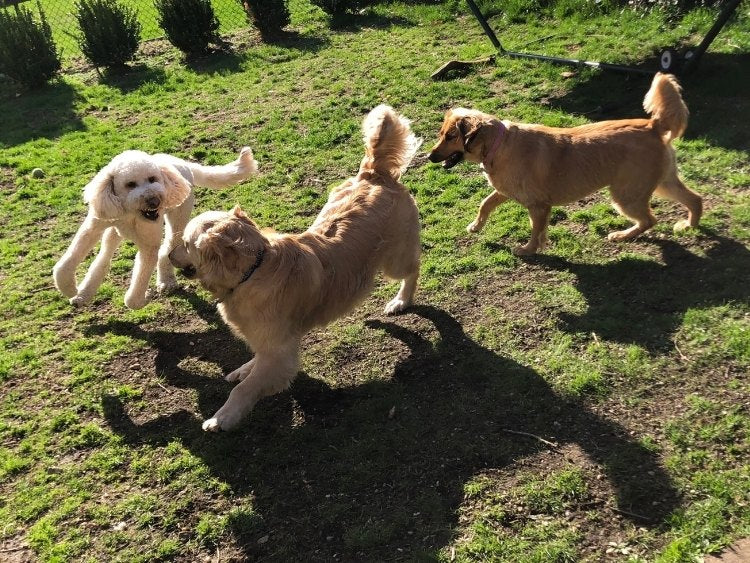
If your dog refuses to use their new dog house, it usually comes down to sensory discomfort, poor yard placement, or a lack of security. Fortunately, you can fix this quickly by optimizing the shelter's microclimate and using a stress-free transition routine.
Read on to discover the 4 critical adjustments that will turn that ignored outdoor structure into your pup's favorite safe haven.
Is the Dog House the Right Fit for Your Dog?
Sometimes, the structure itself just doesn't suit your pet's needs. Exploring a versatile dog kennel collection can help you identify structural features your current setup might lack.
1. The Size Is Too Small or Large
Shelter dimensions must precisely match the physical proportions of your pet. The ideal internal height should equal 1.2 times the dog’s standing height to the top of its head.
This design allows enough room for your dog to turn around easily while retaining vital body heat. For instance, upgrading to a spacious, heavy-duty option like the Metal-Reinforced Chew-Proof Dog House gives larger dogs the perfect layout to rest naturally without feeling cramped.

2. The Inside Feels Too Hot or Cold
Uninsulated wood or plastic walls quickly absorb and transfer ambient outdoor temperatures. On hot summer days, unventilated plastic structures can quickly turn into ovens, causing rapid air stagnation.
This poor climate control inside the kennel directly triggers a dog's natural avoidance response. Canines will instinctively reject the space to protect themselves from extreme heat and dehydration.
3. The Entrance Is Hard to Use
The elevation and width of the threshold dictate how easily a dog can enter. For senior dogs suffering from mild joint stiffness or osteoarthritis, high steps present an immediate physical barrier.
To ensure a stress-free entry, the entrance opening should measure at least 2 inches wider than the broadest point of your dog’s chest.
4. The Location Feels Too Exposed
Placing a shelter in the exact center of an open yard triggers a dog’s natural defensive instincts. Canines cannot achieve deep sleep cycles if they feel exposed on all sides to shifting winds or high-traffic sightlines.
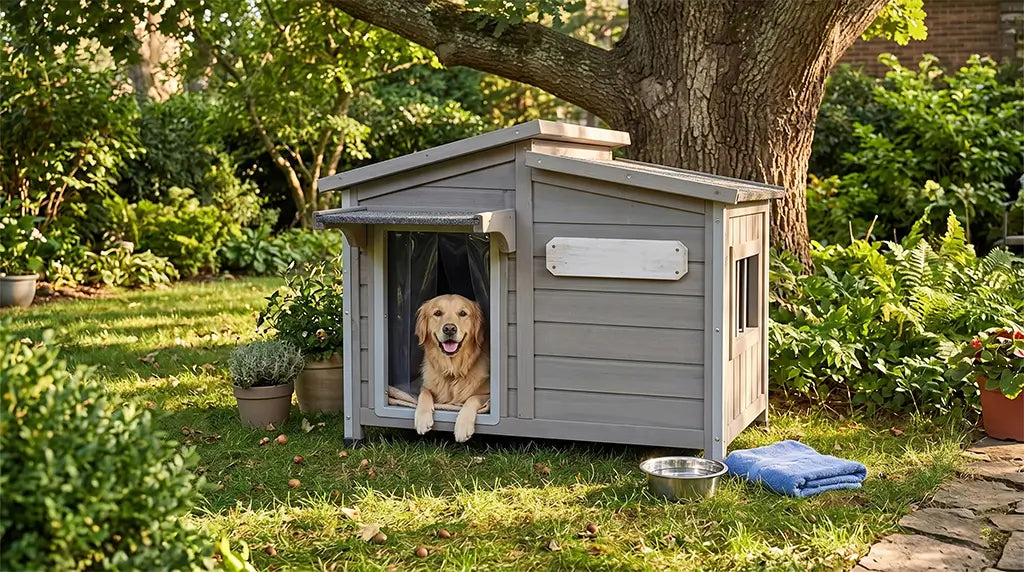
Optimal placement requires positioning the structure against an exterior wall. Alternatively, choosing a specialized layout like a Wooden Dog Kennel with Porch & Window provides an integrated deck where your pup can observe the surroundings while feeling entirely secure.

Could Your Dog Feel Unsafe or Anxious?
Factory Odors Irritate Their Nose
New factory odors from industrial adhesives, manufacturing chemicals, or wood preservatives irritate the sensitive canine nasal cavity.
A dog’s olfactory sensitivity is legendary, making un-aired spaces highly offensive to them. New structures require a few days of open-air ventilation before you introduce them to your pet.
Enclosure Anxiety and Outdoor Noise
While a heavy dog house can muffle some background noise, being enclosed can make an anxious dog feel trapped.
When loud external sounds like lawnmowers or passing traffic occur, a dog inside the house might feel incredibly vulnerable because they cannot see oncoming threats. This psychological discomfort quickly forms a negative association with the structure.
Your Dog Wants to Stay Near You
Pack animals instinctively prioritize staying within the immediate social core of the household. If an outdoor shelter is positioned too far away from the back door, the likelihood of regular use drops significantly.
Canines frequently prefer to curl up on a bare concrete porch close to the family rather than use a distant, isolated structure.

How Can You Encourage Your Dog to Use It?
- Start With Treats Near the Entrance: Forcing an animal directly into a new enclosure is counterproductive. Begin by placing high-value rewards, such as dehydrated beef liver, right outside the entry point. Advance the food placement inward by a few inches each day over a 5-day period to build a positive association.
- Let Your Dog Enter and Leave Freely: Remove all door flaps or plastic barriers during the initial introductory phase. Maintaining an unobstructed exit ensures the animal retains total autonomy over its movements. Forced confinement destroys trust.
- Reward Short Visits First: Praise the animal even if it only steps inside for a few seconds. When the dog remains inside longer, reward them with high-value treats immediately. Do not attempt to enforce overnight stays until daytime comfort is fully established.
- Add Familiar Bedding or Toys: Utilizing existing items introduces comfort through scent identification. Place a blanket that your dog has already used inside the new unit to establish an instant safety zone. This single adjustment can drastically speed up the acclimation timeline.

What Mistakes Should You Avoid?
Owners must never physically force a dog inside the enclosure against its will. Using the dog house as a "time-out" space for behavioral correction creates a permanent negative association that is rarely reversible.
Additionally, dogs should not be left outdoors during extreme weather conditions. Temperature tolerance varies wildly by breed. Brachycephalic (flat-faced) breeds like Bulldogs or short-coated dogs struggle in heat and cold much sooner than thick, double-coated breeds like Huskies. Always bring your pet indoors during severe weather unless you have a verified, breed-appropriate climate control system installed.
Conclusion
Successfully introducing an outdoor shelter relies on physical comfort, strategic placement, consistent patience, and positive reinforcement. The ultimate goal is to establish the structure as an inviting sanctuary rather than a tool for social isolation. With a consistent methodology, your dog will naturally adopt the new space as their own.
FAQs
Why does my dog sleep next to the dog house instead of inside it?
This is usually a placement or psychological issue. If the dog house is too far from your back door, your dog will sleep right outside it to stay as close to you as possible. Alternatively, if the house lacks proper ventilation or has strong factory chemical odors, your dog will prefer the fresh air outside while staying near what they recognize as their designated "yard zone."
What is the 3-3-3 rule for dogs?
The 3-3-3 rule outlines the standardized timeline for a rescue canine to adjust to a new home environment. The first 3 days represent the initial decompression period, during which an animal sheds residual stress hormones. By the 3-week mark, the animal typically masters the daily household routine and begins showing its true personality. Finally, after 3 months, most rescue dogs feel completely secure and form a permanent bond with their owners.
What materials are best for outdoor dog houses and kennels?
The best outdoor kennels pair a naturally insulating body with weatherproofing and chew protection. Petscosset wooden dog houses are built exactly this way:
- Weather-resistant fir wood: Retains heat in winter and stays cooler than plastic or metal in summer.
- Metal-reinforced edges & iron frames: Anti-chew metal protects the corners dogs bite first, making the kennel far more bite-resistant than wood-only builds.
- Waterproof asphalt roof: Keeps the interior dry in heavy rain while reflecting sunlight to lower heat.
- Raised base with rubber feet: Lifts the shelter off wet ground to prevent moisture, rot, and mold.
Share:
What to Put Inside an Outdoor Dog House: Full Season Setup Guide
Dog House Material: Wood vs. Plastic Compared