
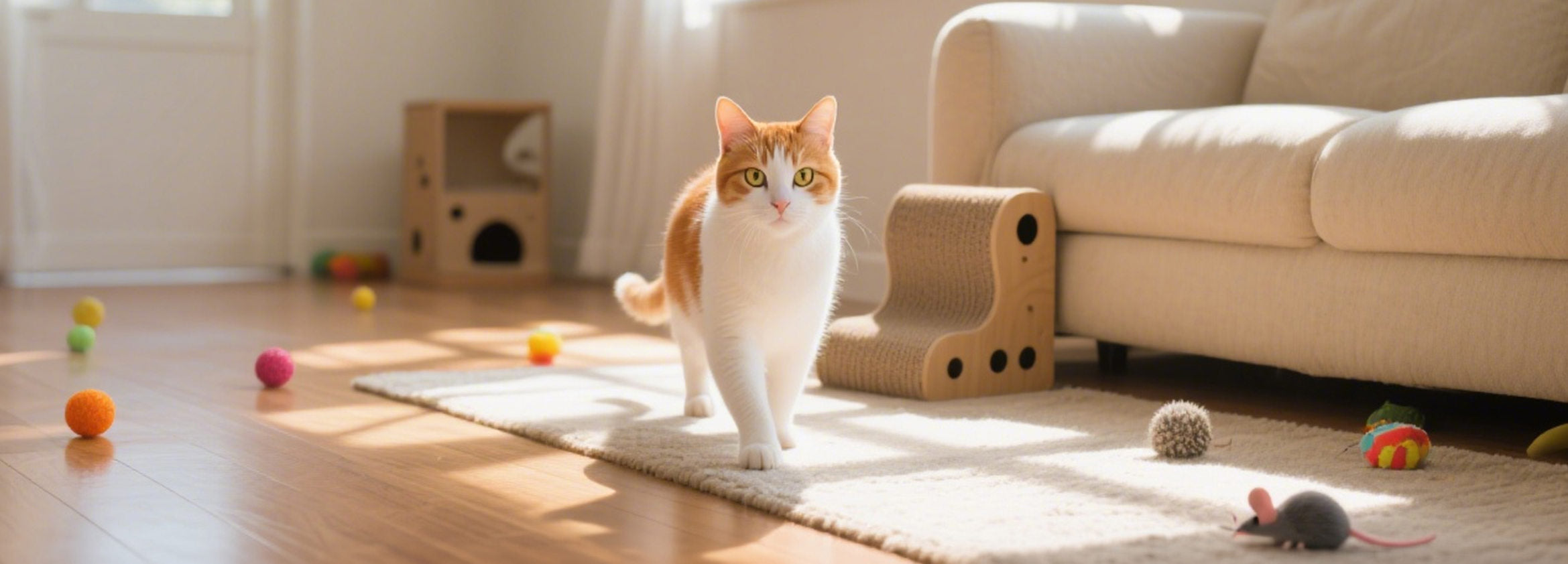
If you're considering adopting a cat, you might wonder: Is it OK to have a house cat? While cats are natural explorers, keeping them indoors has become a popular choice for pet owners prioritizing safety, health, and environmental responsibility. Let's dive into why indoor cats thrive and how to create a fulfilling life for your feline friend.
Why Indoor Cats Live Longer, Healthier Lives
Studies show that indoor cats live 10-15 years on average , compared to just 2-5 years for outdoor cats. By keeping your cat indoors, you protect them from outdoor hazards like traffic accidents, predators, and diseases (e.g., feline leukemia or FIV). Indoor environments also minimize exposure to parasites such as fleas and ticks, reducing the need for frequent cat flea treatments and vet visits.

Enrichment Tips for a Happy Indoor Cat
Critics argue that indoor cats lack stimulation, but with thoughtful indoor cat enrichment , they can stay mentally and physically active. Here's how:
Interactive cat toys : Puzzle feeders and laser pointers mimic hunting instincts.
Cat trees and climbing shelves : Vertical spaces satisfy their love for heights.
Window perches : Bird-watching provides "cat TV"entertainment.
Indoor cat grass or catnip : Safe plants add sensory variety.
For multi-cat households, ensure each cat has separate resources (food bowls, litter boxes) to reduce stress.
Environmental and Community Benefits
Indoor cats help protect local wildlife. Outdoor cats are natural hunters, contributing to declining bird populations. By keeping your cat indoors, you support eco-friendly pet ownership and neighborhood harmony.
Addressing Common Concerns
Exercise needs : Schedule daily play sessions with feather wands or feather toys.
Sunlight and fresh air : Train your cat to walk on a cat harness for supervised outdoor time.
Litter box maintenance : Use odor-control litter and clean daily to prevent issues.
Is an Indoor Cat Right for You?
Indoor living works best for cats with timid personalities or health conditions. If adopting, prioritize adopting a house cat from shelters, as many are already acclimated to indoor life.
Final Thoughts
Having a house cat isn't just "OK"—it's a loving choice that safeguards their well-being and the environment. By investing in indoor cat care essentials like scratching posts, cozy beds, and engaging toys, you create a sanctuary where your cat can flourish.
Ready to welcome an indoor feline? Explore PetsCosset's curated guides on best toys for indoor cats and cat-proofing your home to start their adventure safely!


Share:
🏖️ Benefits of Playing in a Sandbox for Toddlers & Pets
Top 10 Outdoor Dog Houses in 2025: A Comfortable Haven for Your Furry Friend