
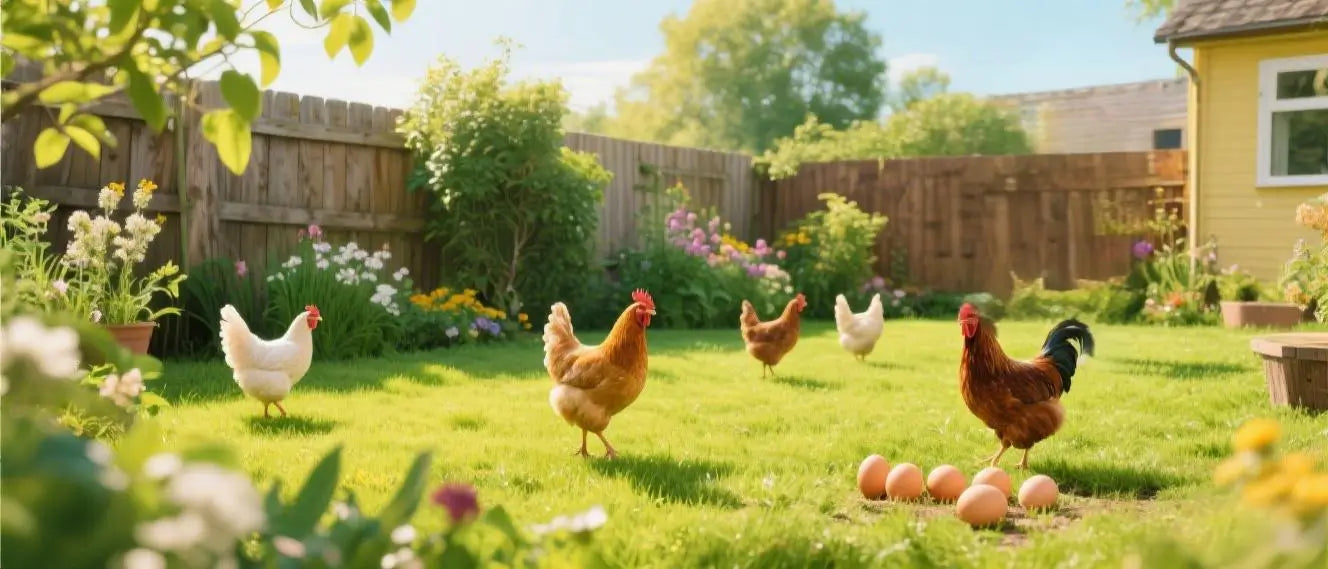
Building a chicken coop is an exciting project that can bring fresh eggs, entertainment, and a sustainable lifestyle to your home. However, before you start hammering nails or buying materials, it’s essential to think carefully about several factors to ensure your chickens live happily and safely.
1. How Much Space Do Your Chickens Need? 📏
The size of your chicken coop is crucial. Each chicken generally needs about 2 to 3 square feet of indoor space and 8 to 10 square feet in an outdoor run. Overcrowding can lead to stress, disease, and behavioral problems.
2. What Materials Should You Use for Durability and Safety? 🔨
Choosing the right materials for your coop affects its longevity and your flock’s safety. Wood is popular for its natural insulation, but it needs to be treated to resist weather and pests. Metal and plastic can also be used but consider ventilation and insulation carefully.
3. How Will You Protect Your Chickens From Predators? 🦊🐍
Predators such as foxes, raccoons, and snakes pose a real threat. Planning secure locks, reinforced wire mesh, and an enclosed run can protect your chickens 24/7.
4. How Will You Manage Ventilation and Cleanliness? 🍃🧹
Good ventilation helps control moisture and ammonia buildup, keeping your chickens healthy. Design your coop with windows, vents, or fans. Also, think about easy access for cleaning to maintain hygiene.
5. Do You Need Additional Features Like Nesting Boxes and Roosts? 🥚🪵
Chickens need comfortable nesting boxes to lay eggs and roosting bars to sleep. Incorporating these features thoughtfully will keep your flock productive and stress-free.
Building a chicken coop requires thoughtful planning, but the rewards are worth it! 🐓🌿 Taking time to answer these questions can save you from costly mistakes and help you create a cozy, safe home for your chickens.
✨ Ready to build your perfect chicken coop? Check out our Chicken Coops Collection for high-quality, ready-to-use coops and accessories designed to meet all your needs!


Share:
10 Proven Ways to Make Your Cat Love You – Build a Stronger Bond Today!
Top 10 Rabbit Hutch Cleaning Tips for a Healthier Bunny