
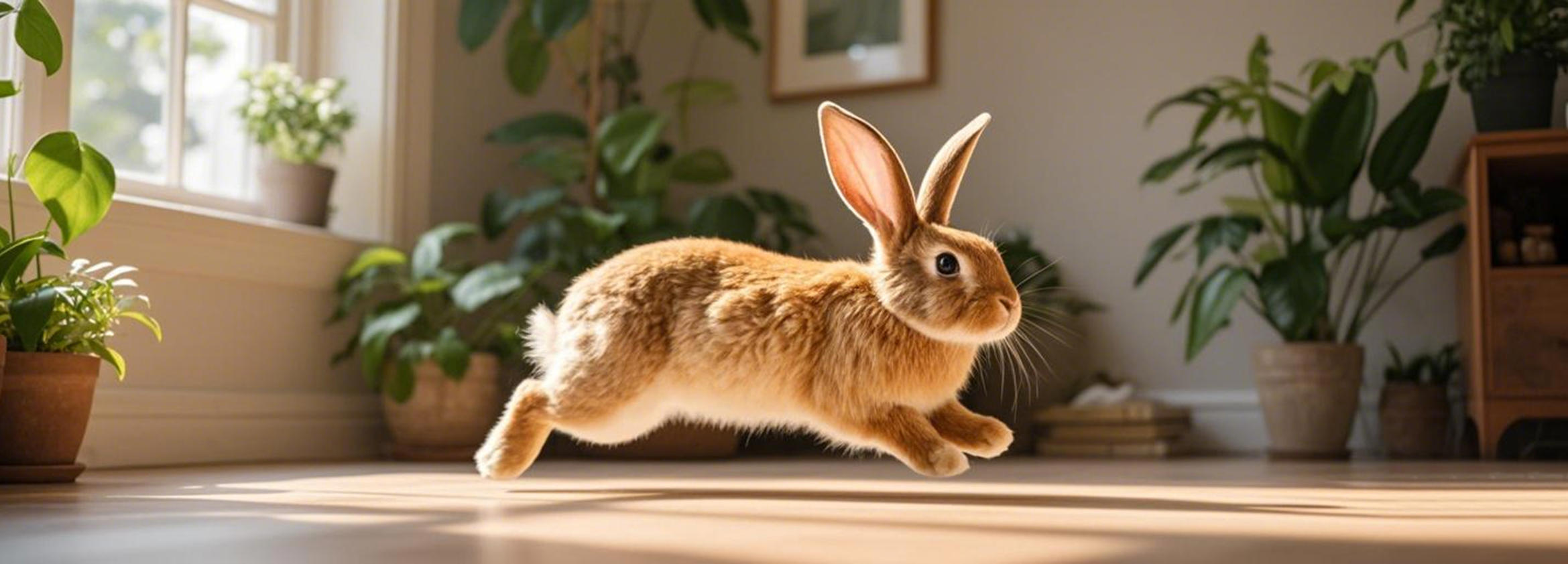
Rabbits are adorable, social pets, but many owners wonder: Can rabbits stay in a hutch all day? While hutches are a common housing solution, keeping your bunny confined 24/7 can harm their health and happiness. At PetsCosset.com, we prioritize responsible pet care, so let’s dive into why constant hutch living isn’t ideal and how to create a thriving environment for your furry friend.
Why a Hutch-Only Lifestyle Fails Rabbits
Rabbits are active, curious animals with needs that go beyond basic shelter. Here’s why permanent hutch confinement is harmful:
Insufficient Space for Natural Behavior
Rabbits love to hop, binky (jump playfully), and explore. A cramped hutch restricts movement, increasing risks of obesity, muscle weakness, and joint pain.
Mental Health Matters
Boredom from isolation can lead to destructive chewing, overgrooming, or aggression. Rabbits need mental stimulation through toys, puzzles, and environmental changes.
Social Needs Are Ignored
Rabbits are highly social. In the wild, they live in groups, so solitary hutch life can cause loneliness and stress. Pairing them with a neutered/spayed companion is ideal.
Health Risks
Poor ventilation in hutches may lead to respiratory issues. Lack of exercise also disrupts digestion, increasing the risk of gastrointestinal stasis, a deadly condition.
Designing a Rabbit-Friendly Hutch Setup
If you use a hutch, ensure it’s part of a larger, enriching habitat:
Optimal Hutch Size: The hutch should be at least 4 times your rabbit’s length (minimum 6ft x 2ft x 2ft for two rabbits). Multi-level designs add exploration space.
Safe Outdoor Access: If outdoors, secure the hutch from predators, rain, and direct sunlight. Use waterproof covers and elevate it to prevent dampness.
Indoor Hutch Alternatives: Consider a rabbit-proofed room or large playpen. Indoor setups allow better temperature control and interaction.
Daily Exercise and Enrichment: Non-Negotiables

To keep your rabbit healthy:
Free-Roaming Time: Allow 3-4 hours daily outside the hutch. Supervise playtime to prevent chewing on wires or toxic plants.
Enrichment Ideas: Provide cardboard tunnels, willow balls, digging boxes (filled with safe soil or shredded paper), and treat-dispensing toys.
Social Time: Bond with your rabbit through gentle petting or floor-level interaction. If housing multiple rabbits, ensure they’re neutered/spayed to avoid conflicts.
Indoor vs. Outdoor Hutch Living
While outdoor hutches are traditional, indoor setups often provide better welfare:
Indoor Benefits:
Safer from predators and extreme weather.
Easier to monitor health and behavior.
Promotes bonding with family members.
Outdoor Precautions:
Ensure shade, ventilation, and predator-proof locks.
Avoid leaving rabbits outdoors overnight or in harsh temperatures.
Key Tips for Rabbit Owners
Never use a hutch as a full-time home. It’s a resting space, not a prison.
Combine hutch time with free-roaming areas to encourage natural behaviors.
Check for health issues: Look for signs like lethargy, irregular poop, or overgrown teeth, which can stem from poor living conditions.

Conclusion: A Hutch Is Just the Beginning
At PetsCosset.com, we believe rabbits deserve more than a life confined to a hutch. By providing space, stimulation, and socialization, you’ll ensure your pet stays physically healthy and emotionally fulfilled. Remember, a happy rabbit is an active, engaged rabbit! Ready to upgrade your bunny’s lifestyle? Share this guide to spread the word about ethical rabbit care.


Share:
How to Choose the Best Chicken Nesting Box for Healthy, Happy Hens
🏖️ Benefits of Playing in a Sandbox for Toddlers & Pets