
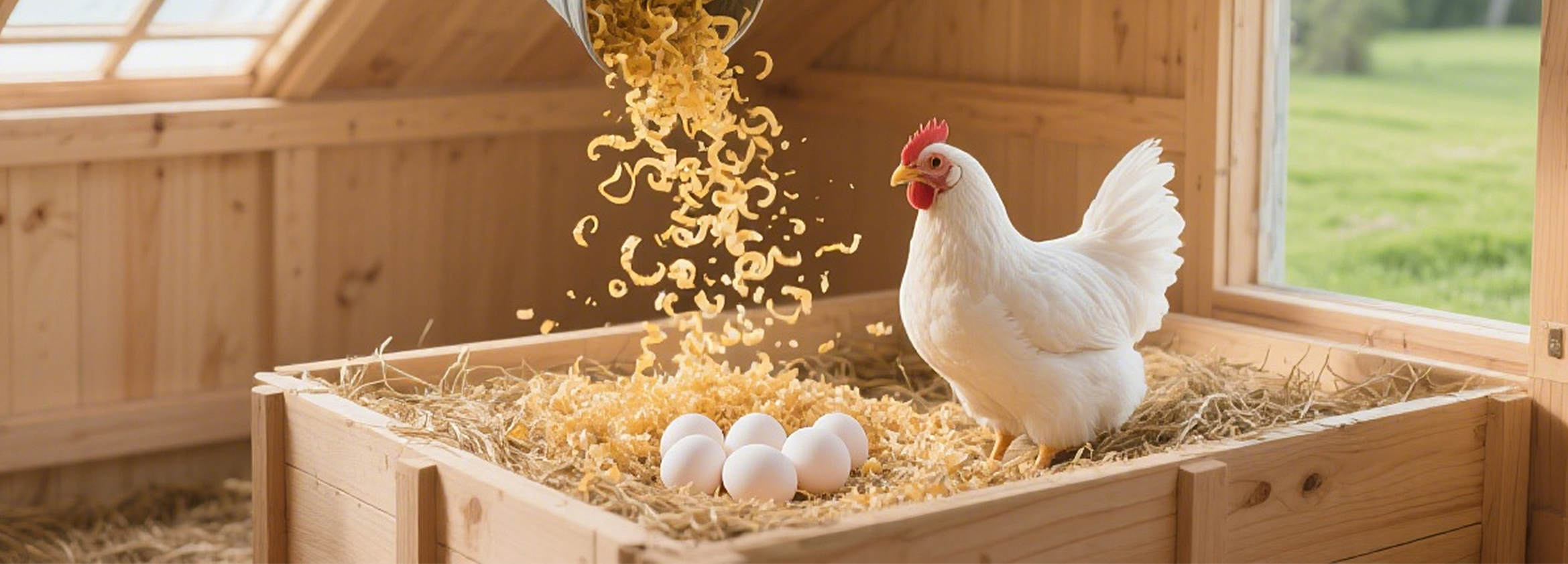
Why the Right Nesting Box Matters
Chickens instinctively seek quiet, dark, and safe spaces to lay eggs. A poorly designed or overcrowded nesting area can stress hens, leading to fewer eggs, broken shells, or even unhealthy behaviors like egg-eating. The best chicken nesting boxes mimic natural nesting environments, offering privacy, comfort, and protection from predators. By prioritizing quality, you’ll create a stress-free zone that encourages consistent laying and keeps your flock thriving.

Features to Look for in a Chicken Nesting Box
When selecting a nesting box, focus on these essential qualities:
Durable, Easy-to-Clean Materials
Choose nesting boxes made from weather-resistant plastic , treated wood , or rust-proof metal . These materials withstand outdoor conditions and simplify sanitization. Look for terms like “long-lasting nesting boxes “or ” easy-clean chicken coop accessories “when researching options.
Proper Size and Design
A standard nesting box should measure 12x12x12 inches to accommodate most chicken breeds. Boxes with sloped roofs or raised edges prevent hens from kicking out bedding. Search for “spacious chicken nests” or “ergonomic nesting boxes” to find designs that balance space and efficiency.
Predator-Proof Security
Ensure the box has secure latches, elevated placement, or reinforced walls to deter raccoons, snakes, and rodents. Phrases like “predator-safe nesting boxes” or “secure poultry supplies” highlight this critical feature.
Ventilation and Comfort
Proper airflow reduces moisture and odors. Opt for designs with ventilation holes or breathable materials. Terms like “ventilated chicken nests” or “odor-resistant coop boxes” can guide your search.
Affordability and Value
Balance quality and cost by searching for “budget-friendly nesting boxes ”or “value-driven chicken coop accessories” to find options that won’t break the bank.
Common Mistakes to Avoid
Overcrowding: Provide one nesting box per 4-5 hens to minimize competition.
Poor Placement: Install boxes in a quiet, dim corner of the coop, away from high-traffic areas.
Wrong Bedding: Avoid slippery materials; pine shavings , straw , or hemp bedding work best.

Top Picks for Your Flock
Upgrade your coop with these trusted nesting boxes available at PetsCosset.com :
Fortex DuraNest: Made from heavy-duty plastic, this box resists weather and predators while offering effortless cleaning.
Happy Hen Stackables: Perfect for small coops, these space-saving boxes are easy to install and maintain.
EcoChick Wooden Boxes: Sustainably crafted from untreated cedar, ideal for organic poultry keepers.
Discover the perfect nesting box for your hens here!
Final Tips for Success
A high-quality chicken nesting box ensures your hens feel safe, leading to better egg production and healthier birds. Prioritize durability, ease of cleaning, and predator protection when making your choice.
Ready to create the ultimate coop? Visit PetsCosset.com today to explore our curated selection of nesting boxes, bedding, and coop essentials. Your flock-and your egg basket-will thank you!


Share:
What Is a Garden Bed? A Heartfelt Guide to Growing Your Own Little Paradise
Can Rabbits Stay in a Hutch All Day?