
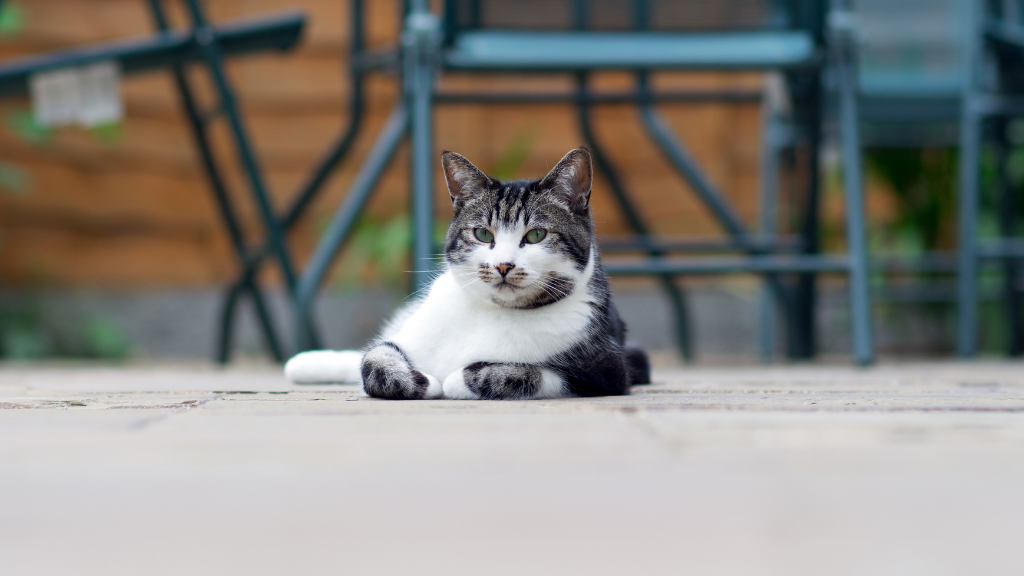
Most indoor cats never get to experience the outdoors safely. A catio changes that by giving cats a secure, enclosed space to enjoy fresh air and natural stimulation without the risks that come with unsupervised outdoor access, for your cat and the wildlife around your home.
What Is a Catio?
Simple Definition
A catio is an outdoor enclosure designed specifically for cats. The name is a blend of "cat" and "patio," and it does exactly what the name suggests: it gives your cat a dedicated outdoor space that is fully enclosed and secure, allowing them to experience fresh air, sunlight, and natural stimulation while staying protected.

Catio vs. Cat Enclosure
The terms "catio" and "cat enclosure" are often used interchangeably. Both refer to a fenced or screened structure that keeps cats safely contained while giving them outdoor access. The distinction is largely one of tone: "cat enclosure" is the broader, more functional term, while "catio" has taken on a lifestyle-oriented meaning, suggesting a space that is purposefully enriched rather than simply a containment unit.
Types of Catios
Catios come in several styles to suit different living situations, budgets, and space constraints.
|
Type |
Best For |
Space Required |
Typical Starting Cost |
|
Window Box |
Apartments, small homes |
Minimal |
~$90 |
|
Balcony |
Apartments, condos |
Existing balcony |
~$150 |
|
Freestanding Enclosure |
Houses with yard space |
Moderate yard area |
~$200 |
|
Tunnel and Run |
Connecting indoors to outdoor enclosure |
Varies |
~$100 |
Window Box Catios
A window box catio mounts directly to an exterior window, giving cats a perch outside without touching the ground. These are ideal for apartment dwellers or anyone with limited outdoor space. They require no yard, minimal installation effort, and can usually be set up without permanent modifications to the building, making them the most renter-friendly option available.
Window box catios let cats watch birds, track movement, and take in fresh air from a secure perch just outside the window. The window catio at Petscosset includes compact single-cat designs and expandable configurations for multi-cat households.

Balcony Catios
A balcony catio converts an existing balcony into a secure outdoor space using mesh or wire panels to screen the perimeter, preventing cats from jumping or falling off. This setup is popular in urban areas where a yard is not available. Because most balcony catios require some degree of anchoring, renters should confirm with their landlord before installation.
Freestanding Outdoor Enclosures
Freestanding catios are standalone structures placed in a yard or garden. They range from compact wooden enclosures to large multi-level runs that can comfortably house several cats at once. These tend to offer the most enrichment space and can be positioned wherever your outdoor layout allows.
Freestanding catios offer the most room for cats to move, climb, and explore. Petscosset's outdoor cat enclosures collection include weatherproof multi-level builds, built-in platforms, scratching posts, and resting areas, with walk-in sizes and window-connect designs that let cats move between indoors and outdoors on their own terms.

Tunnels and Runs
Catio tunnels, sometimes called catwalks, are long, narrow enclosures that allow cats to travel between the indoors and an outdoor structure through a connected pathway. They are typically used to link a cat door or window to a larger freestanding enclosure, giving cats the freedom to come and go on their own. Tunnels can also be arranged along a garden perimeter to create a more exploratory route.
Benefits of a Catio
Mental Stimulation for Indoor Cats
Indoor cats are often under-stimulated, and without enough environmental variety, they can develop behavioral issues including aggression, excessive grooming, or destructive scratching. A catio addresses this directly by exposing cats to the natural sights, sounds, and smells that a home interior cannot replicate, providing the kind of sensory engagement that keeps cats mentally sharp and emotionally balanced.
Protection from Outdoor Hazards
Unsupervised outdoor access exposes cats to traffic, predators, toxic plants, and infectious diseases. A catio removes most of these risks while still allowing cats to experience the outdoors. This is especially valuable for cats that have always been kept indoors and have not developed the environmental awareness that comes with early outdoor exposure.
Safer for Local Wildlife
Free-roaming cats are one of the leading causes of bird and small mammal deaths in the United States. The American Bird Conservancy estimates that cats kill billions of birds annually across the country. A catio keeps cats engaged outdoors without allowing them to hunt, making it one of the most practical ways to balance feline wellbeing with local wildlife conservation.

Is a Catio Right for You?
HOA and Local Permit Rules
If you live in a community governed by a homeowners association, review your CC&Rs (Covenants, Conditions, and Restrictions) before purchasing a catio. Some HOAs restrict outdoor structures based on size, appearance, or placement. The Community Associations Institute is a useful resource for understanding how HOA governance typically works and what your rights are as a homeowner.
In some municipalities, larger outdoor enclosures attached to a home's structure may also require a building permit. A quick check with your local planning or building department will confirm whether your project needs one.
Climate and Weather by U.S. Region
Your local climate directly affects how usable a catio will be year-round and which features are worth prioritizing.
|
U.S. Region |
Key Climate Factor |
What to Prioritize |
|
Northeast |
Cold winters, humid summers |
Weatherproof roofing, insulated resting area |
|
Southeast |
Hot, humid, mild winters |
Shade coverage, ventilation, rust-resistant hardware |
|
Midwest |
Extreme seasonal variation |
Wind protection, durable construction |
|
Southwest |
Hot and dry |
UV-resistant materials, ample shade |
|
Pacific Northwest |
Frequent rain |
Waterproof roof, elevated flooring |
|
California and West Coast |
Mild, low rainfall |
Most catio styles work well year-round |
How Many Cats You Have
A single cat can do well in a compact window box or small freestanding unit. For two or more cats, space and vertical structure matter considerably more. Multiple cats sharing a confined space without enough platforms or separate resting areas can lead to competition and stress. For multi-cat households, look for catios with multiple levels, separate compartments, or designs that can be expanded over time.

What Goes Inside a Catio?
Perches and Climbing Structures
Cats are natural climbers and prefer to observe their surroundings from an elevated position. Shelves, ramps, and multilevel platforms are among the most important elements in any catio. Even a compact enclosure becomes significantly more engaging when it includes vertical space. Aim for at least two height levels, and make sure the surfaces are wide enough for your cat to lie down comfortably.
Cat-Safe Plants
Adding live plants to a catio makes the space feel more natural and provides additional sensory stimulation. Good options include catnip, cat grass, valerian, and common herbs like basil and rosemary. Avoid plants that are toxic to cats, including lilies, sago palm, and azalea. The ASPCA's toxic plant database is the most comprehensive reference for verifying whether a specific plant is safe before introducing it.
Shade and Weather Protection
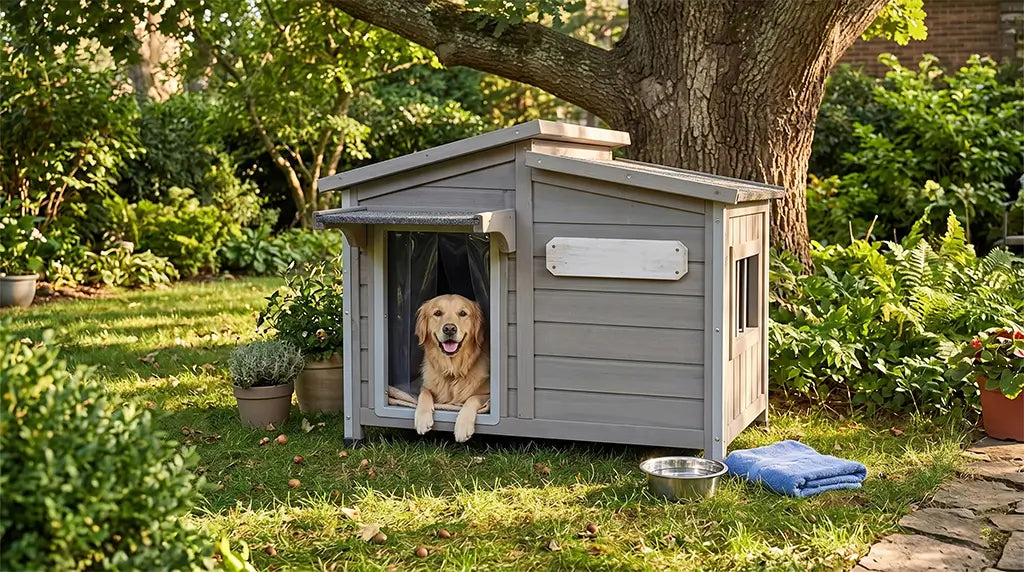
Any catio used in direct sunlight needs adequate shade, particularly in warmer regions. A solid or waterproof roof panel covering at least part of the enclosure protects cats from both sun and rain, extending the space's usability across more weather conditions. Including a small enclosed resting area, such as a wooden shelter, gives cats a place to retreat when they want warmth or privacy. The wooden cat houses includes insulated and weatherproof options that work well as inner shelter units within a larger catio setup.

In Summary
A catio is one of the most practical investments you can make for an indoor cat. It supports their wellbeing, reduces behavioral issues, and helps protect local wildlife, all without the risks of unsupervised outdoor access. Whether you rent or own, there is a catio style to fit your space and budget.
FAQs
Do cats actually use catios?
Most cats take to a catio once they feel comfortable in it. Those that have never been outside may need a few days to a couple of weeks to adjust. Placing familiar items inside, such as a favorite blanket or toy, can speed up the process. Once settled, the majority of cats use their catio regularly and show clear signs of enjoying the space.
Can I attach a catio to a rental apartment?
Yes, with some planning. The key is choosing a setup that does not require permanent structural modifications. Always review your lease and get written approval from your landlord before installation.
How do I keep pests out of a catio?
The most effective measure is using hardware cloth with a mesh gauge of half an inch or smaller, which blocks insects, mice, and other small pests far more reliably than standard chicken wire. Additional steps include:
- Elevating the flooring or using gravel beneath a ground-level enclosure to discourage burrowing animals
- Avoiding leaving food or treats in the catio for extended periods
- Inspecting the structure regularly for gaps, particularly at joints and corners where mesh meets the wood frame


Share:
Chicken Tractor with Wheels: How a Wheeled Coop Works and How Often to Move
Catio Benefits: What It Does for Your Cat, Your Home, and the Wildlife?